In Ghana, we make and ship aid across the region
Our mission
Aid that strengthens the economy it lands in, instead of undercutting it
Traditional humanitarian aid can ease hunger for a while, but it often weakens local economies – big funds buy food from multinationals rather than local producers. The hub is built the other way round: produce and supply close to the people who receive it, and involve local producers, so the money stays in the region. As Ridne frames it, the work is set up not to compete with local commercial enterprises.
Closer to recipients · No competition with local commerce
The same field-to-mission system that supplies Ukraine, brought closer to where the food is needed.

What the hub is
A single complex that brings production next to distribution
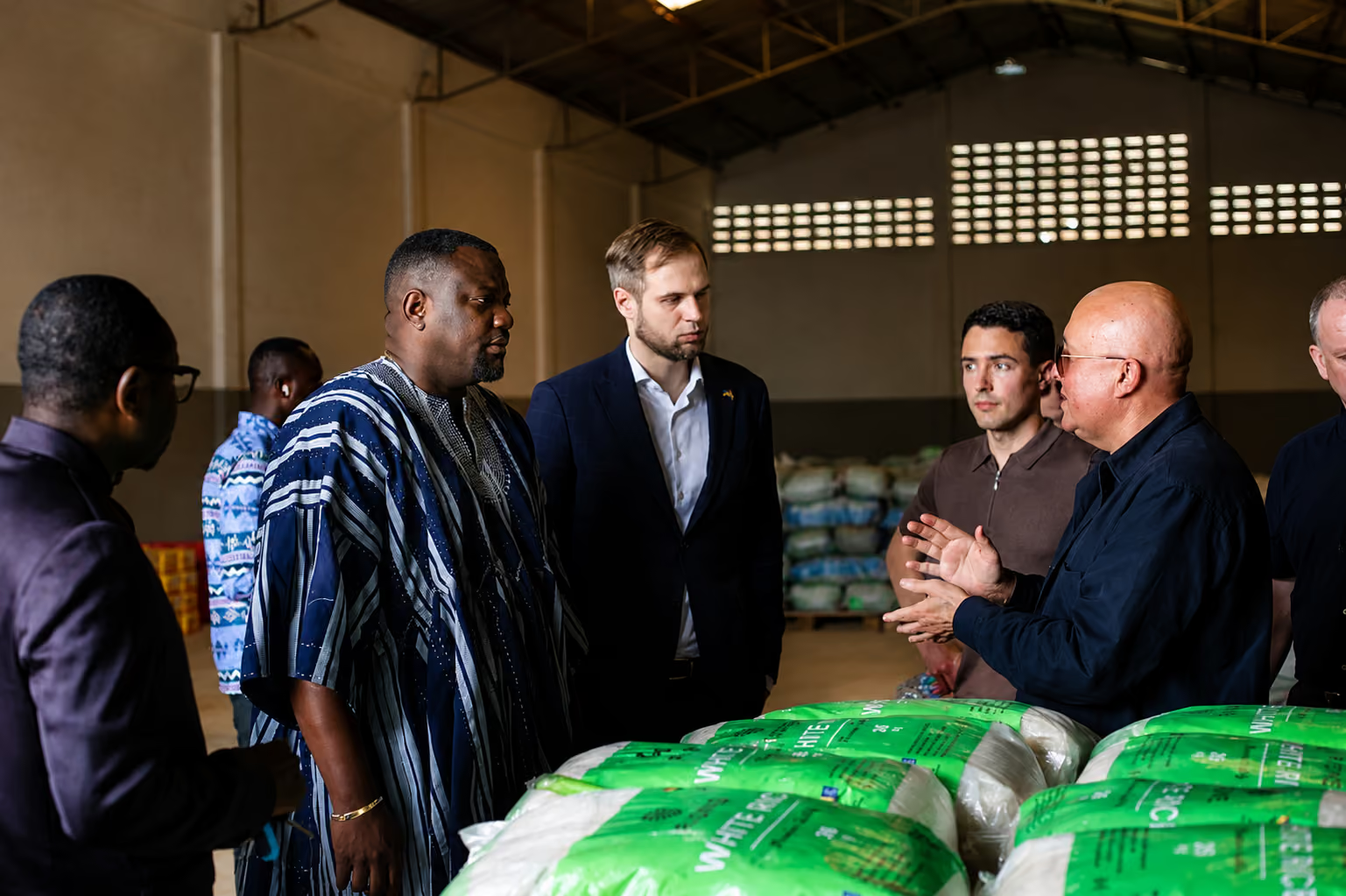
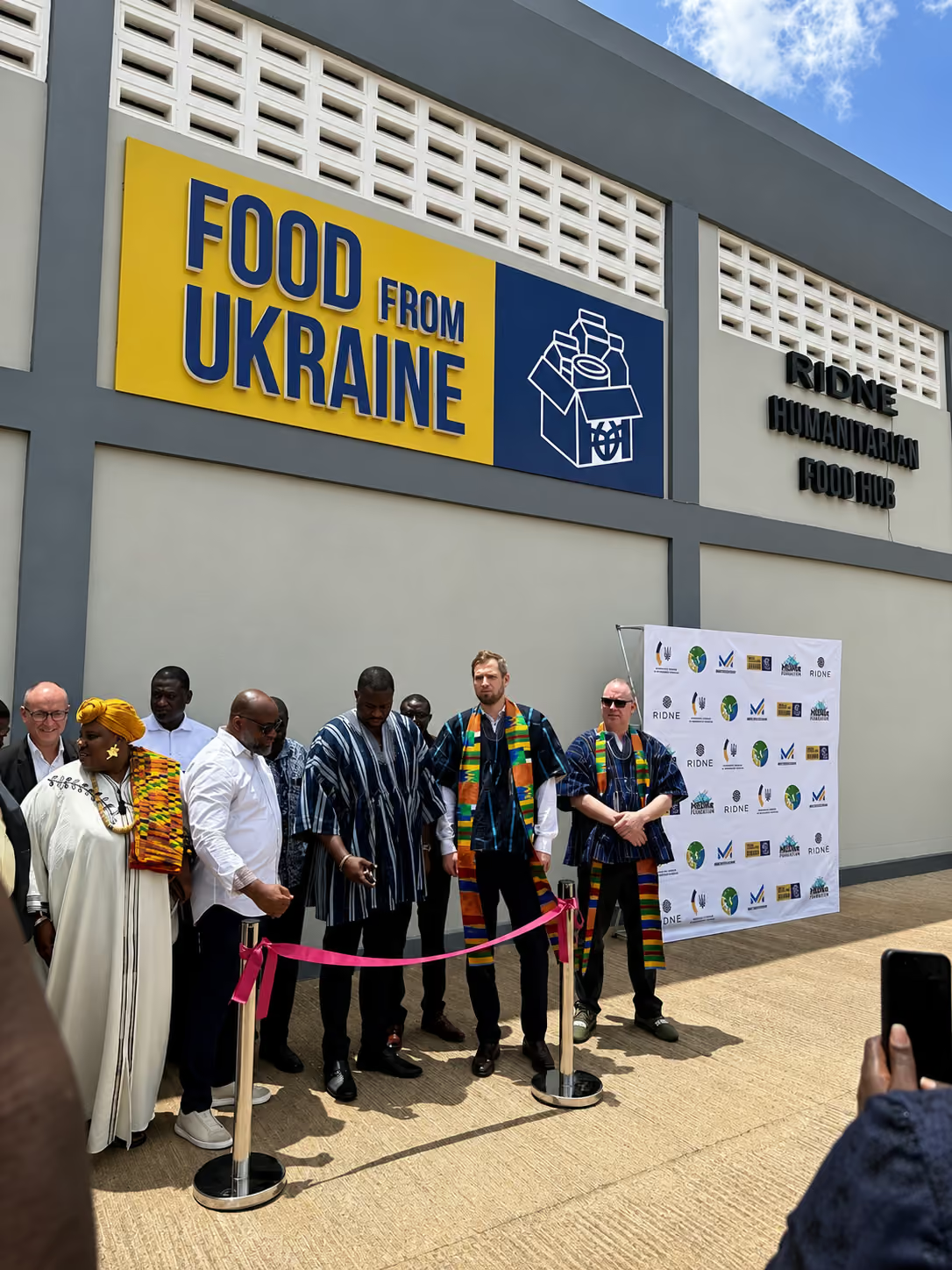
The hub is designed as one production-and-warehouse complex for humanitarian supply in West Africa: oil refining and bottling, fish canning, grocery and seed packaging, humanitarian-kit assembly, finished-goods and raw-material warehouses, an office block, and a seed selection centre. The point is to make, pack, store and dispatch from the same site.

Into the local economy
The kits are finished with local products, and built to grow local work
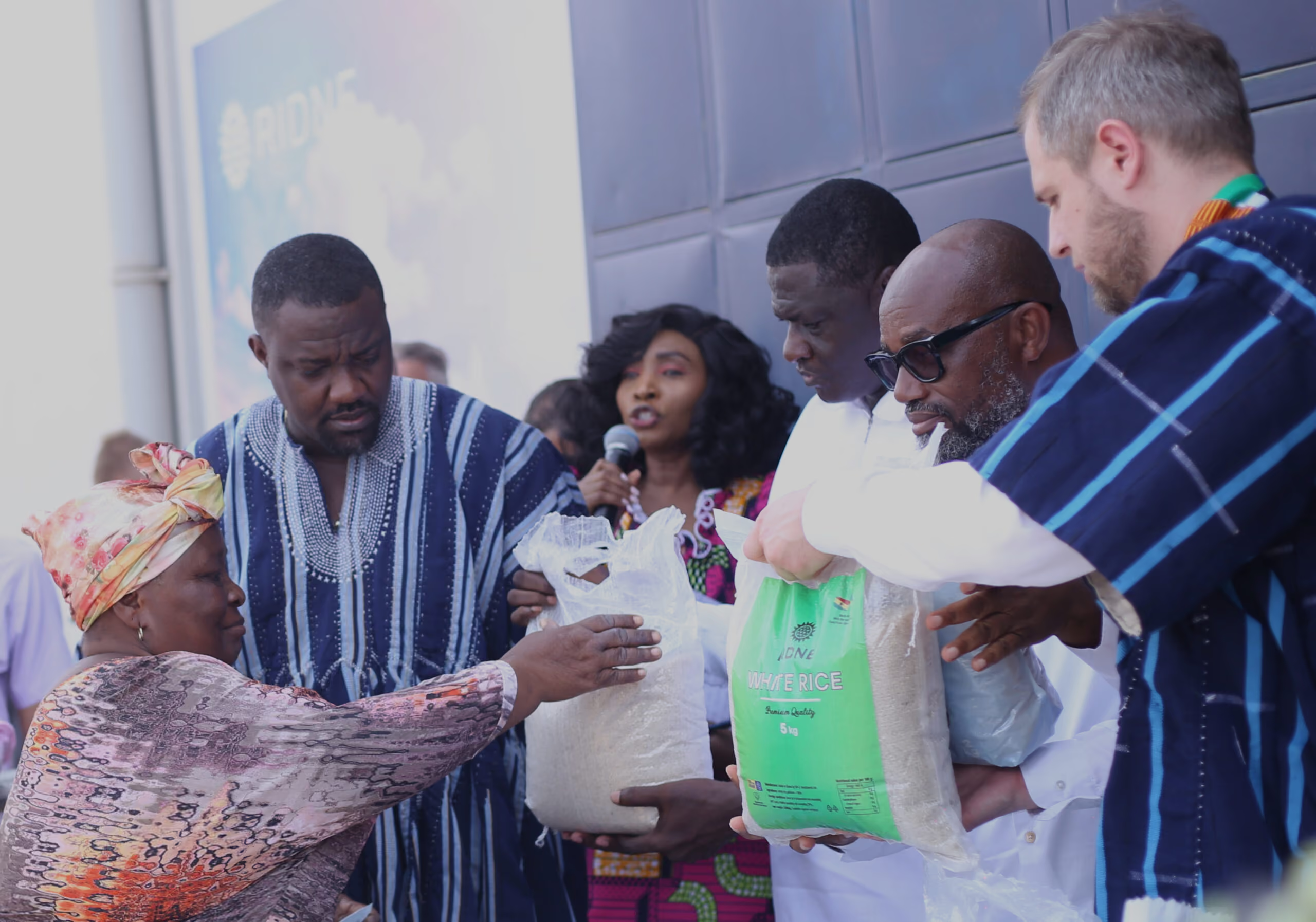
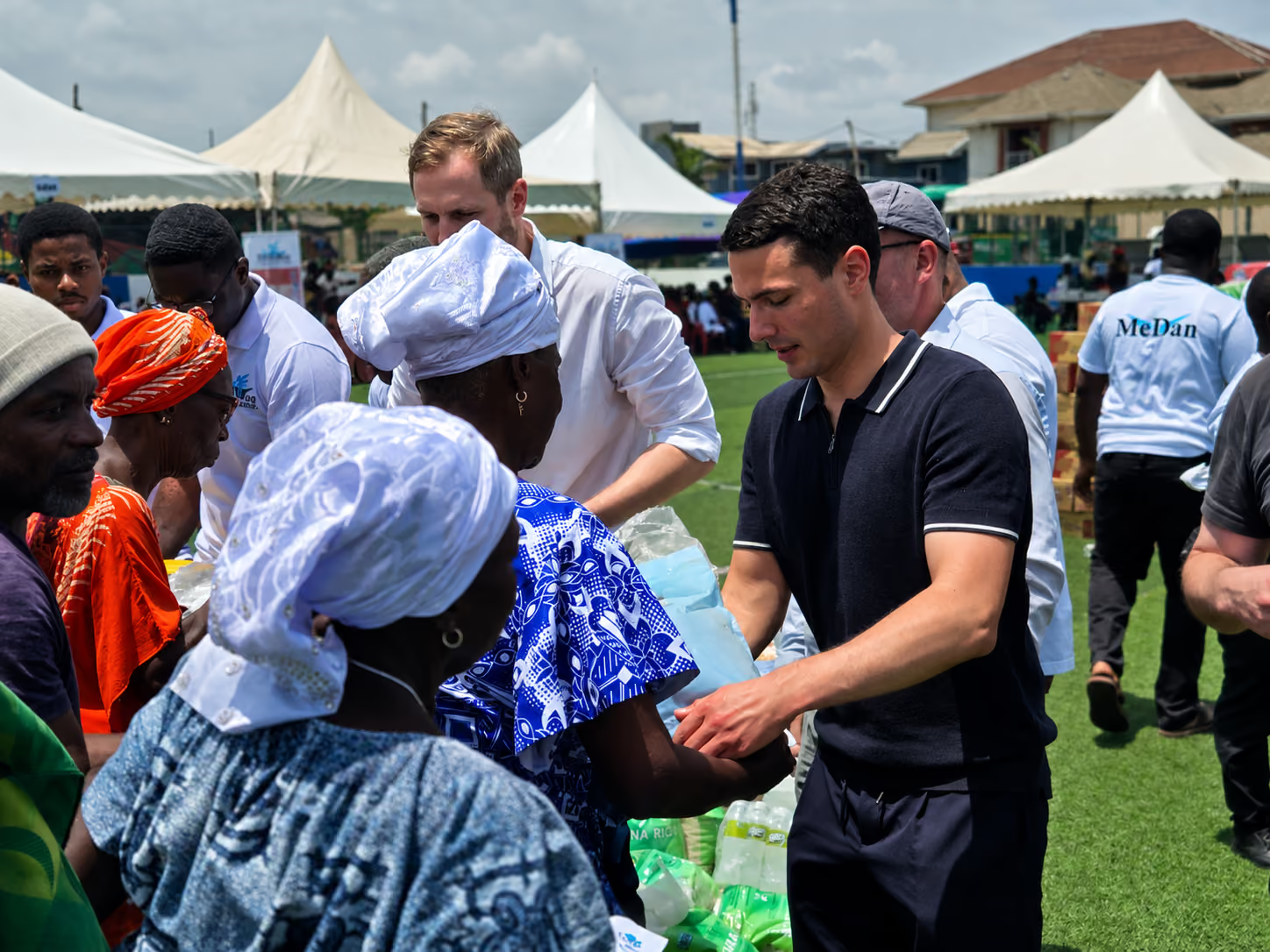
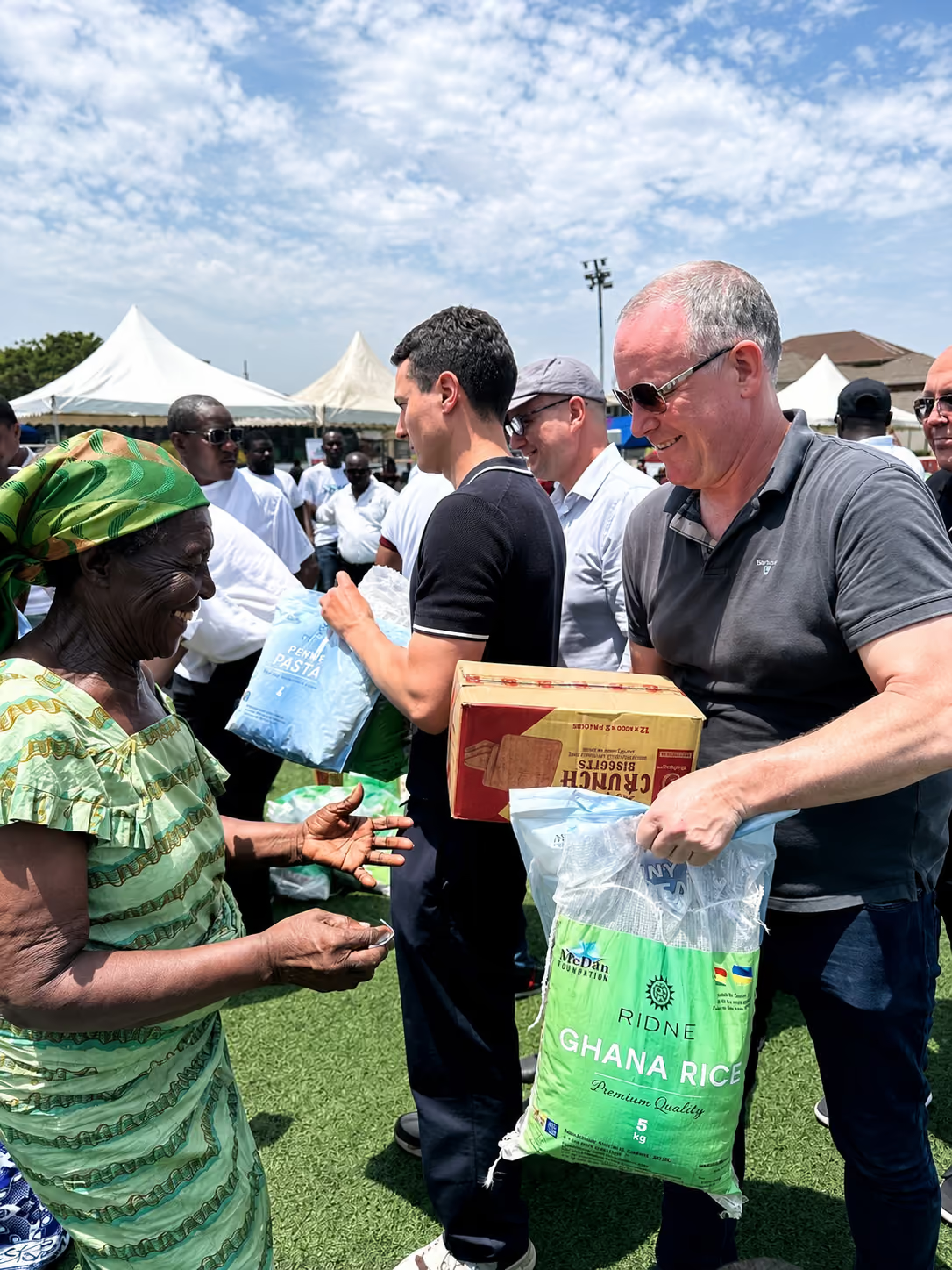
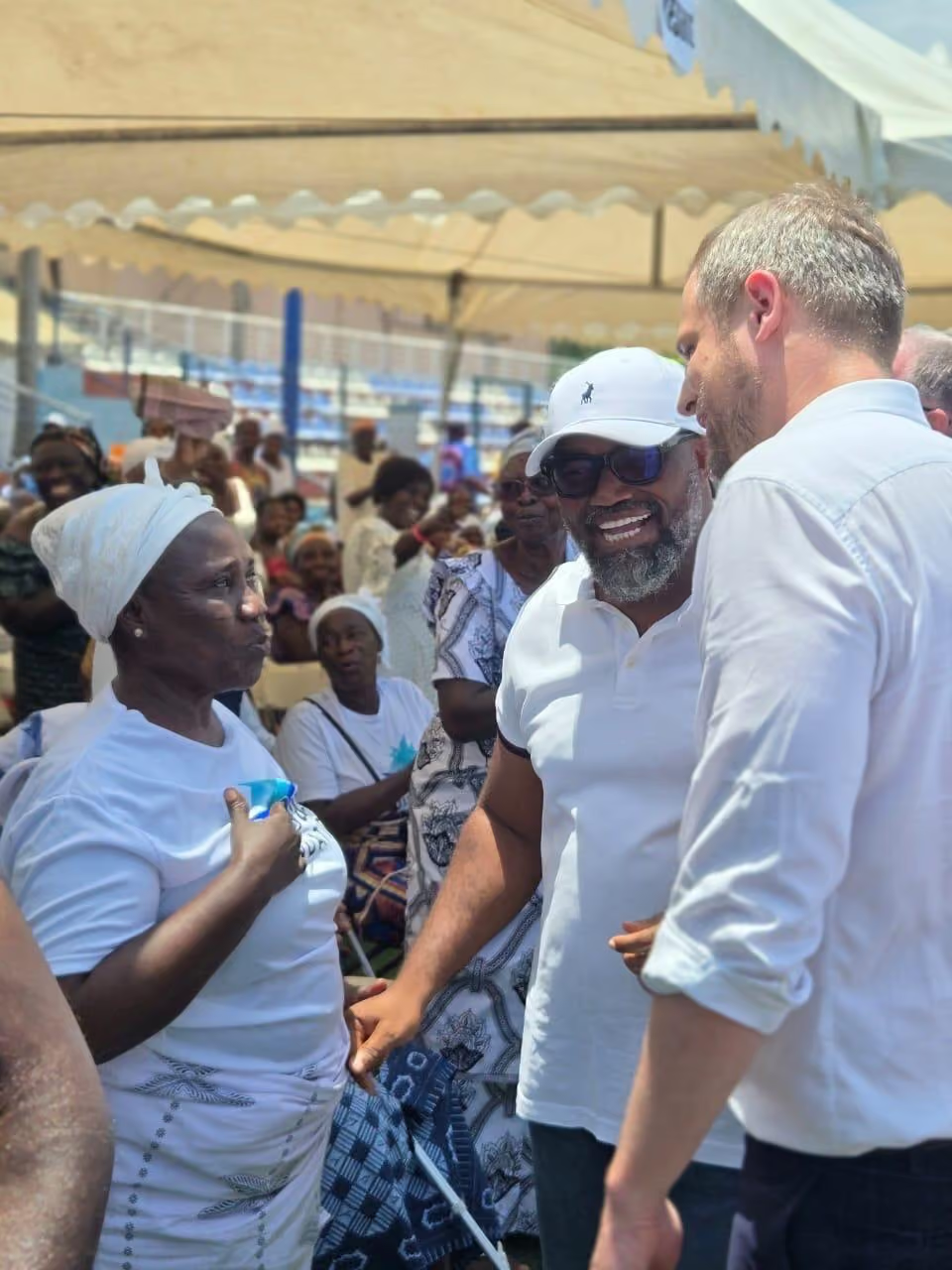
In Ghana, a local charity supplements the Ukrainian kits with regional products – cocoa, corn grits, peanuts and cashews – so the aid supports both Ukrainian and local producers. The project is set up not to compete with local commerce, and the planned next step, bottling oil locally, is meant to grow local processing and create jobs.
Local supplement · Cocoa · Corn grits · Peanuts · Cashews
%201.avif)