We're not a link in the supply chain
– we cover the entire chain, from field to handover.
We run every step between a program budget and food in people's hands















We grow, make and test the food ourselves
Before anything moves, the food is grown on our own farms, made in our own plants and cleared by our own labs – three steps under one standard.
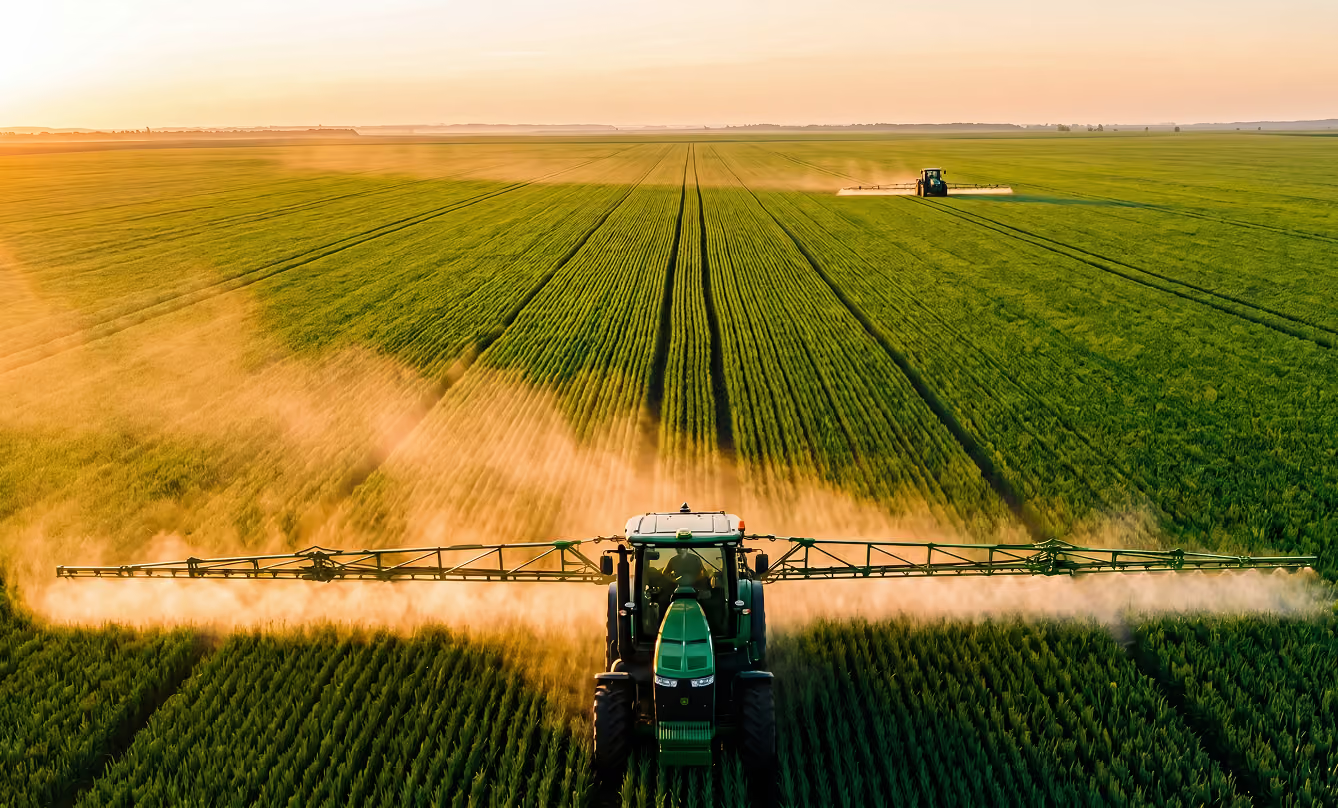
We grow the raw food on our own partner farms — not on the open market
A network of small and medium Ukrainian farms grows the grain and raw materials for every program, under war and energy pressure — and it has grown every year of the war.
The network scaled from a handful of farms to 87 across 13 regions, so supply never rides on a single harvest or a single front. Because the fields are ours, the chain starts on land we work — not on a spot market that freezes the moment a war or a price spike hits.
We produce the finished food in our own plants, with full control of every batch
Several were restarted from a standstill, run largely by people displaced by the war or back from the front. Partners order ahead, so the lines run to a plan – not order by order.
Owning the line means owning the outcome – what goes in, how it is packed, when it ships. Because partners commit ahead, the plants run to a schedule set by real programs, not by whatever the market happened to move that week.
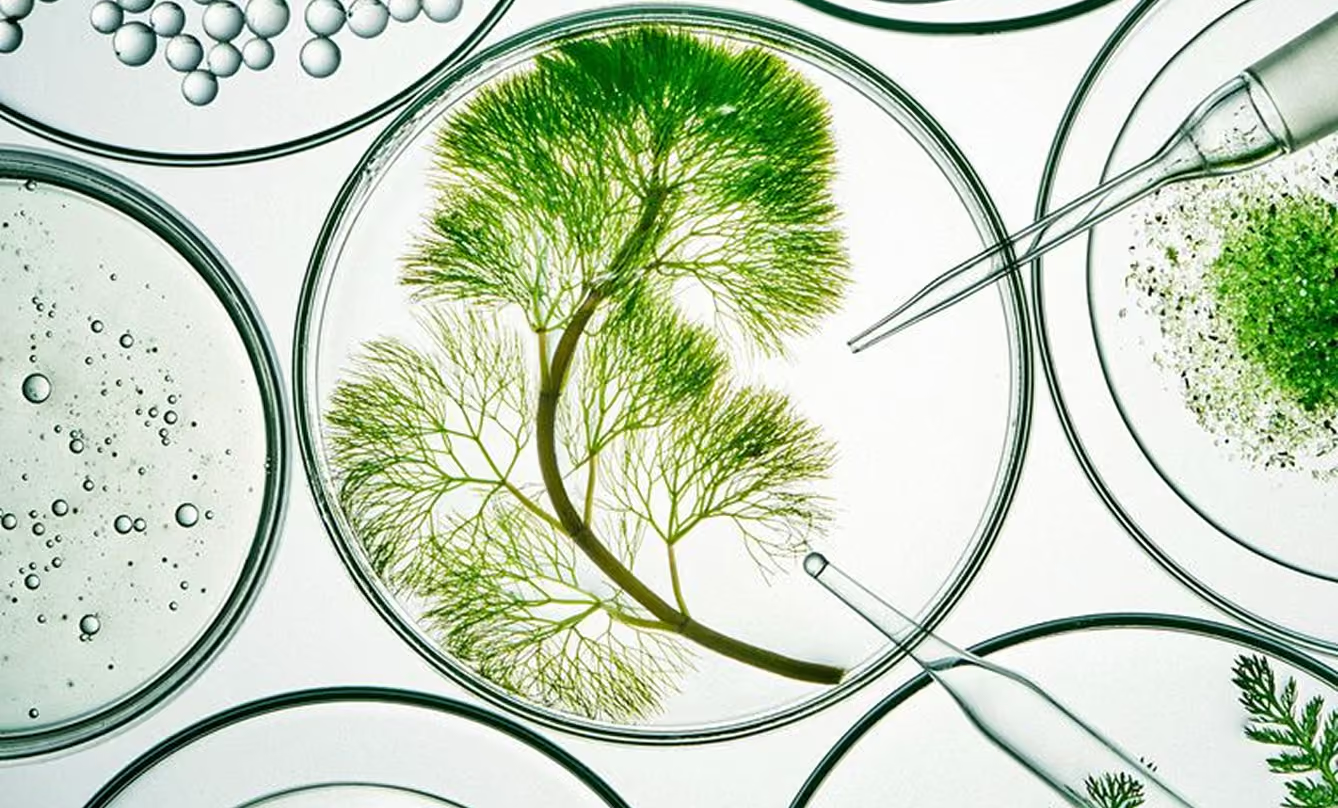
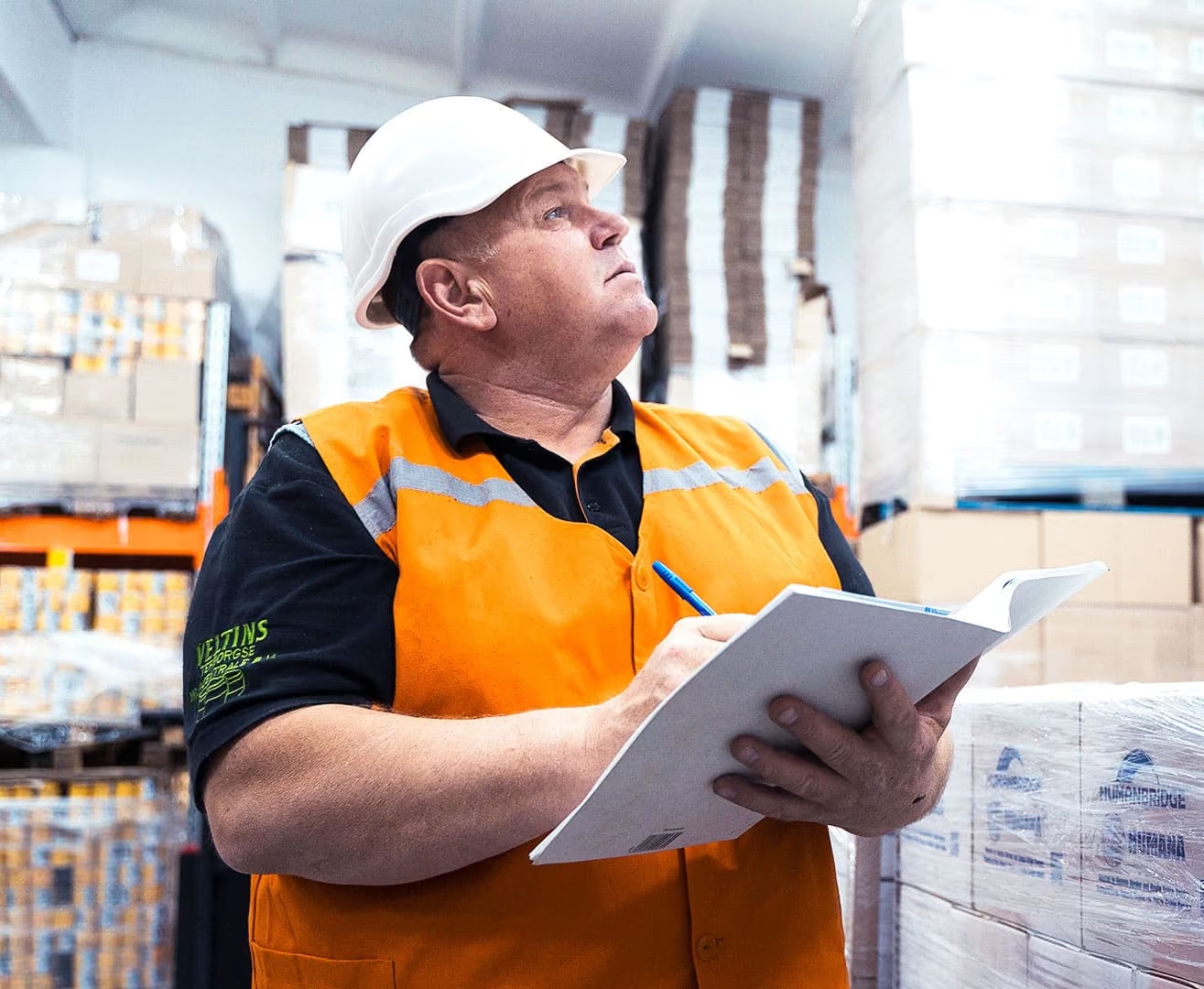
Our own laboratories check every batch before it moves
Every batch is tested on-site before it leaves a plant. The same labs adapt seed to harsh climates, so communities abroad can grow their own food, not just receive it.
It is the quiet part of the chain that lets us say more than “trust us”: we can point to what a batch is, where it came from and why it passed. That same evidence is what lets a donor report exactly what their money produced.
We turn that food into a kit built for each program
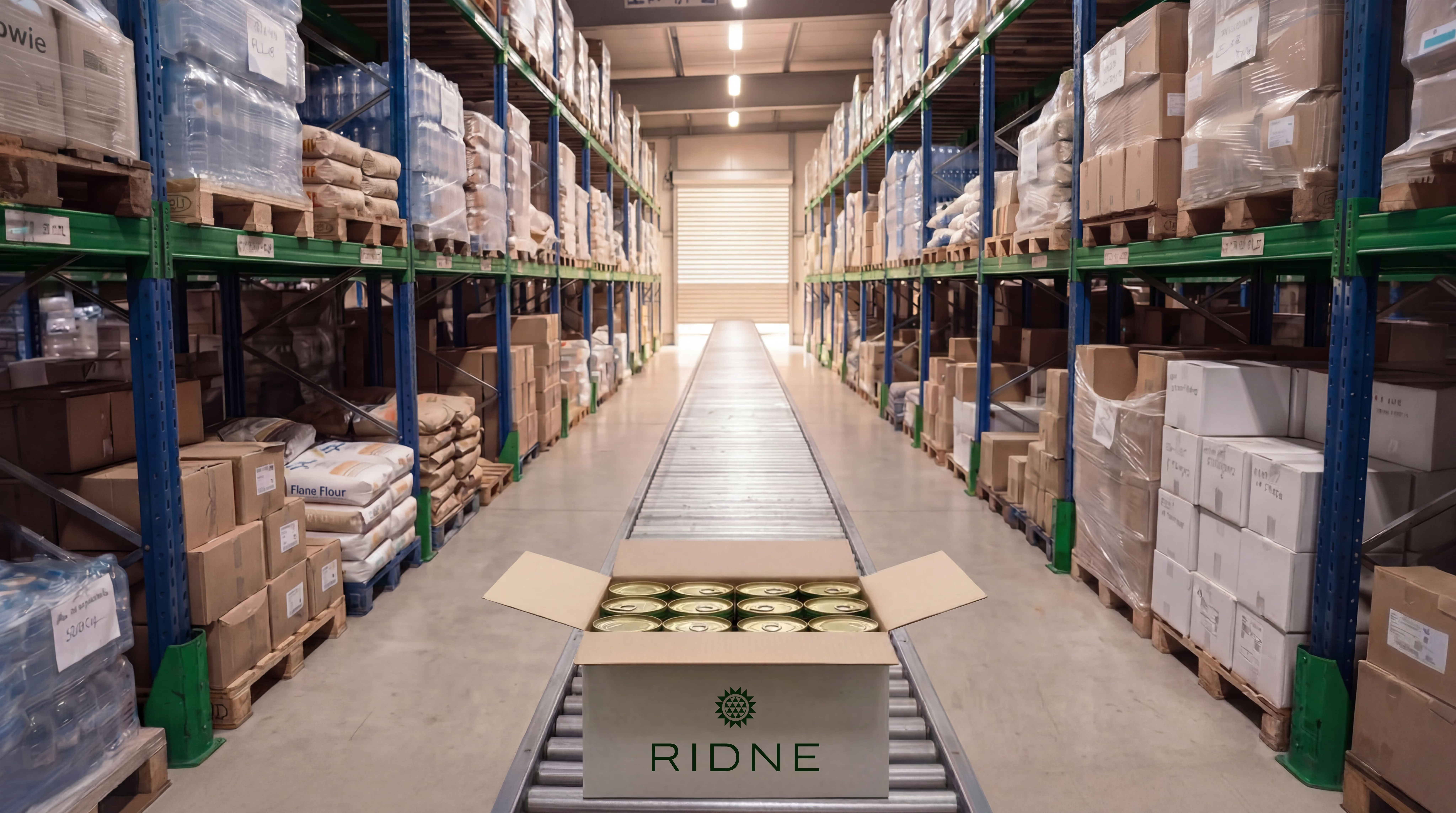
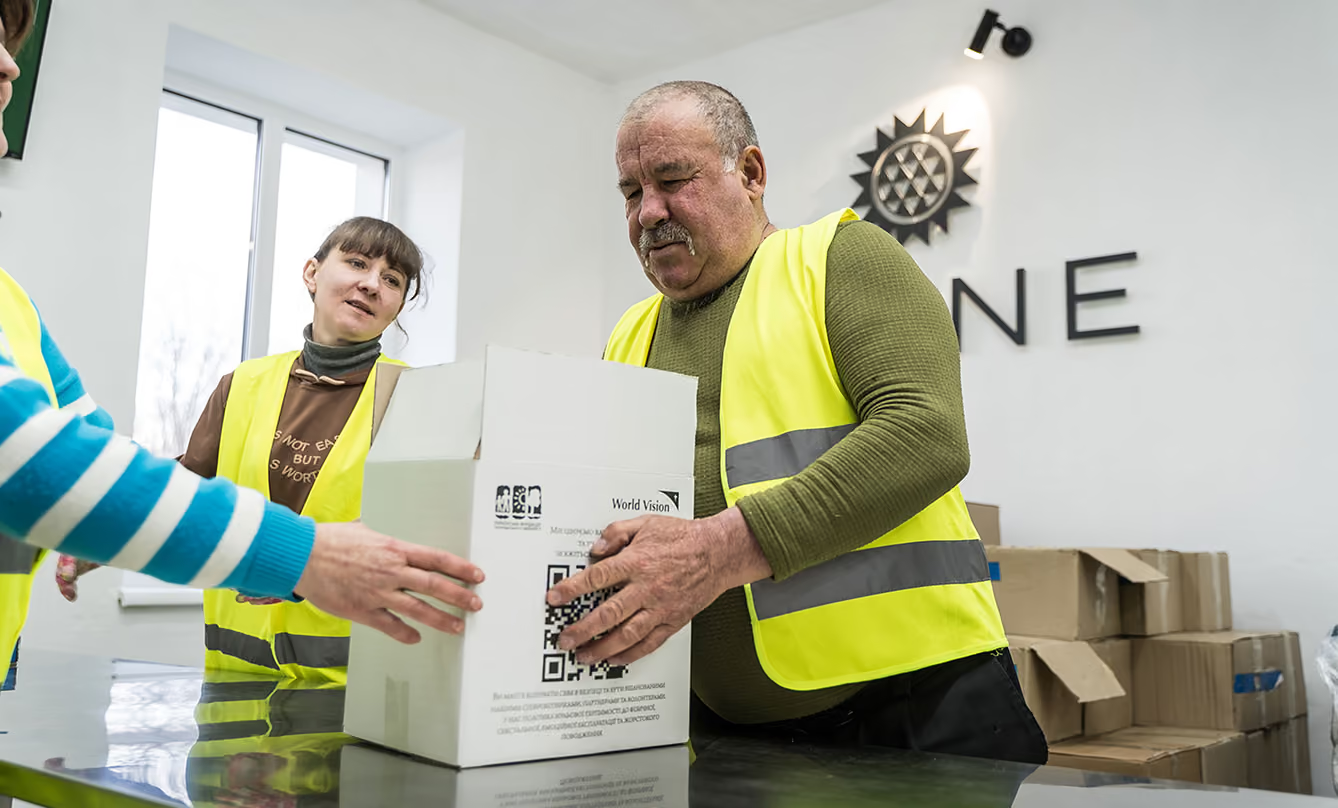
This is the pivot of the chain – a dedicated department turns what we produced into a balanced parcel, matched to a specific community, region and need.
We don't hand out whatever's on the shelf – we compose a balanced kit for each program
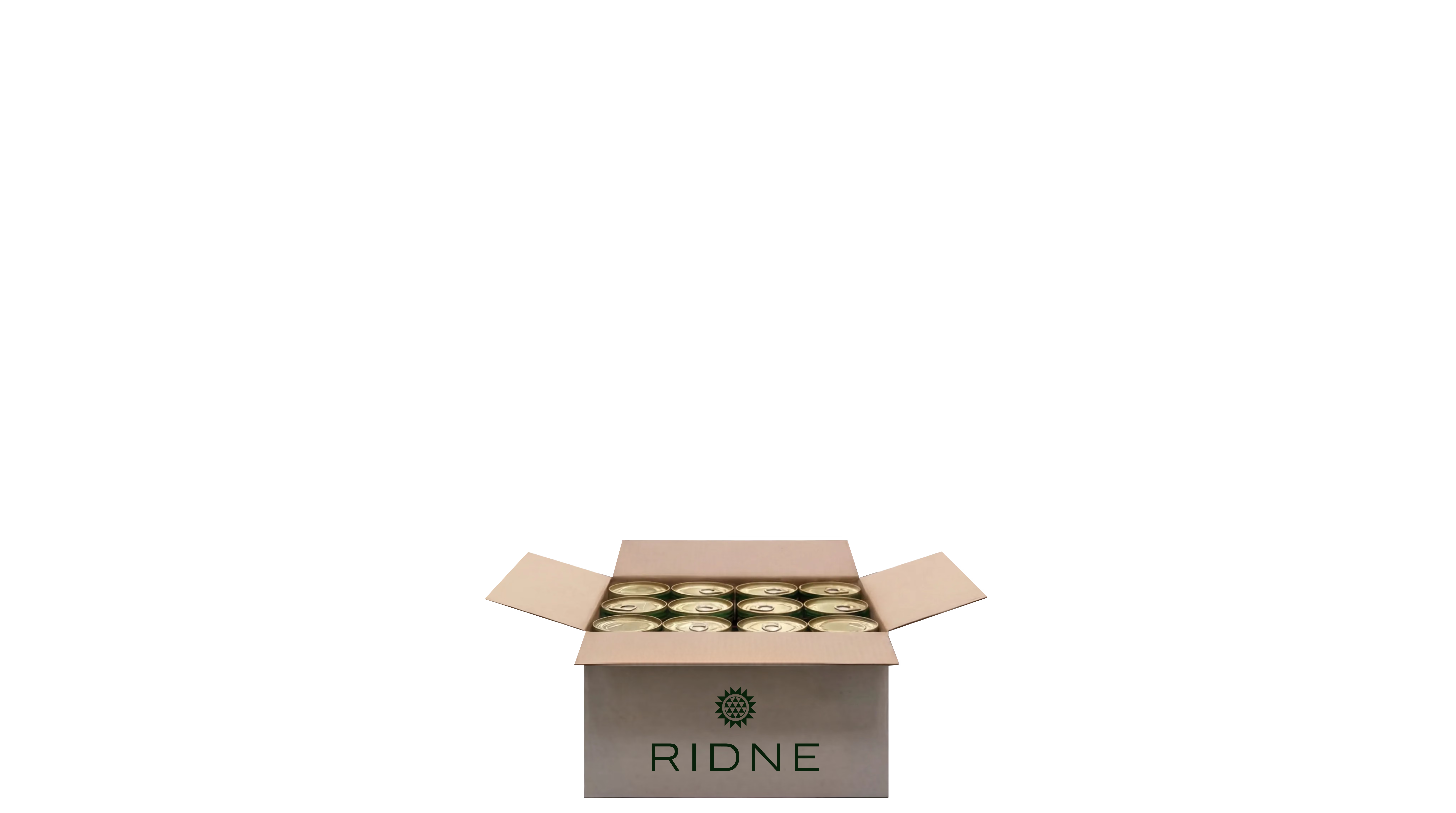
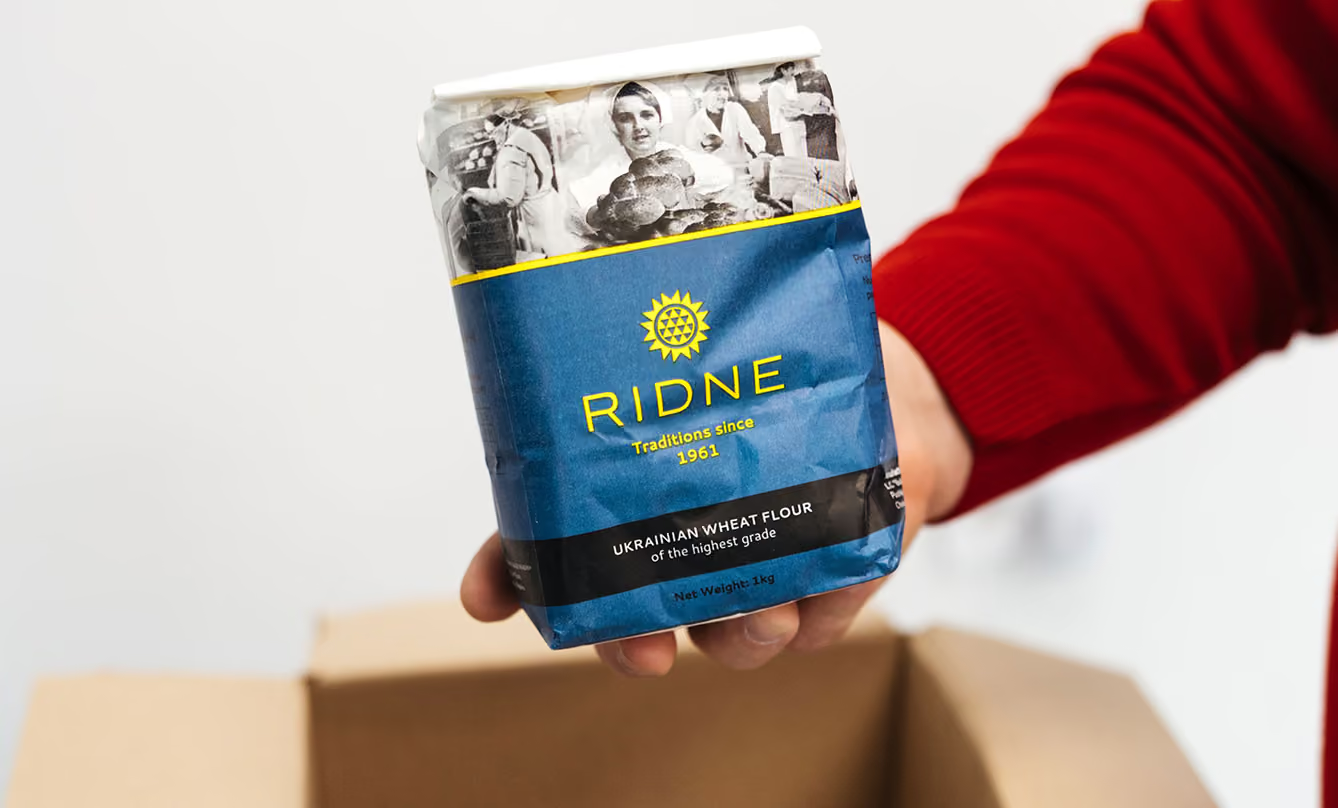
A dedicated department reads each program – category, region, season, need – and builds the kit from scratch. Every kit carries the funder's logos, not retail barcodes.
This is the pivot of the chain – the point where raw production becomes something a family opens. One operator stands behind the field and the finished box, so a funder is not buying pallets of commodities but a defined outcome on a defined date.
We deliver it – including the places others can't reach
Where a route or destination is one others refuse, we find who can run it – or organise it ourselves.
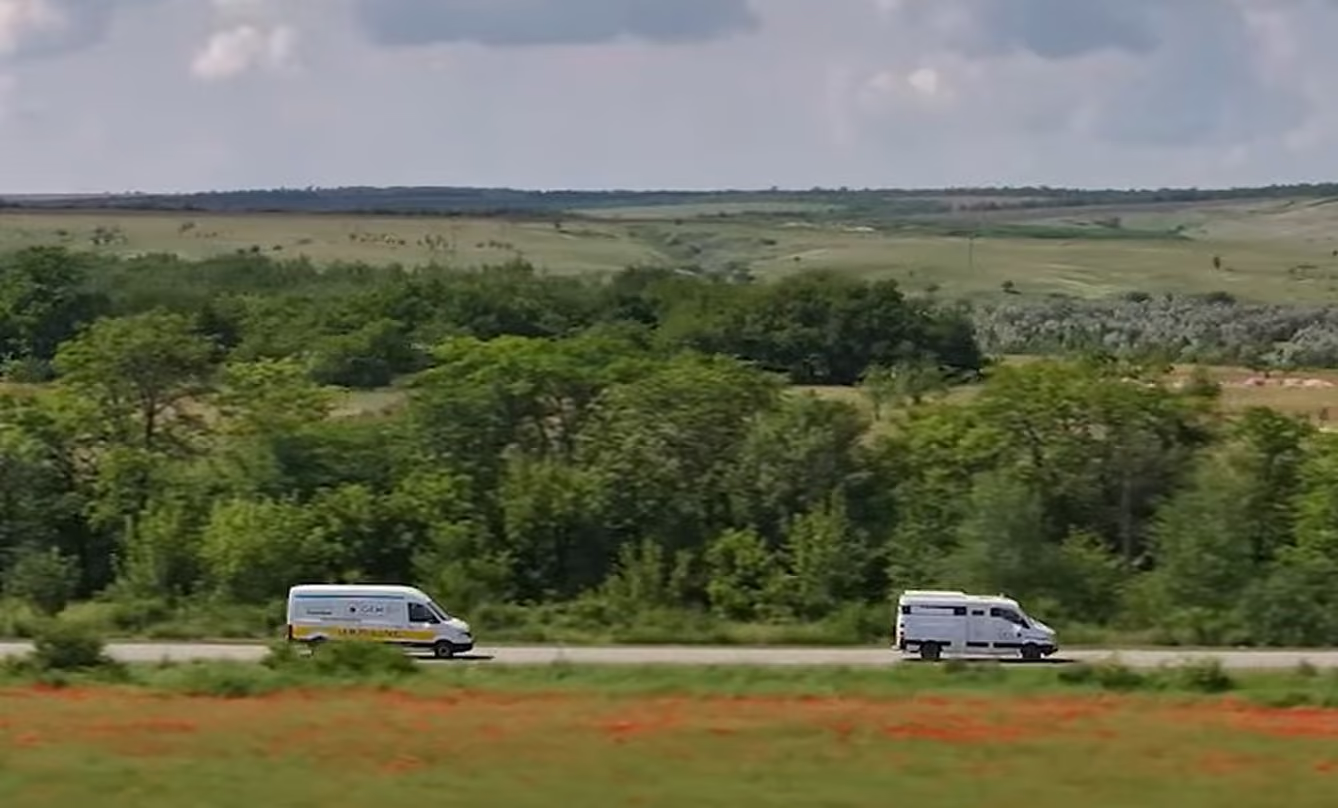
Our own social department delivers to any point in the country, including the frontline
We carry kits to communities where shops have closed and commercial logistics won't go. When partners had funding but no way to deliver, this is the part of the chain we ran for them.
Because we own the last leg inside Ukraine, a program's budget turns into food on the ground rather than a pallet stranded at a depot. It is the capability partners lean on most: funding is common, but a crew willing to drive to a cut-off town is not.
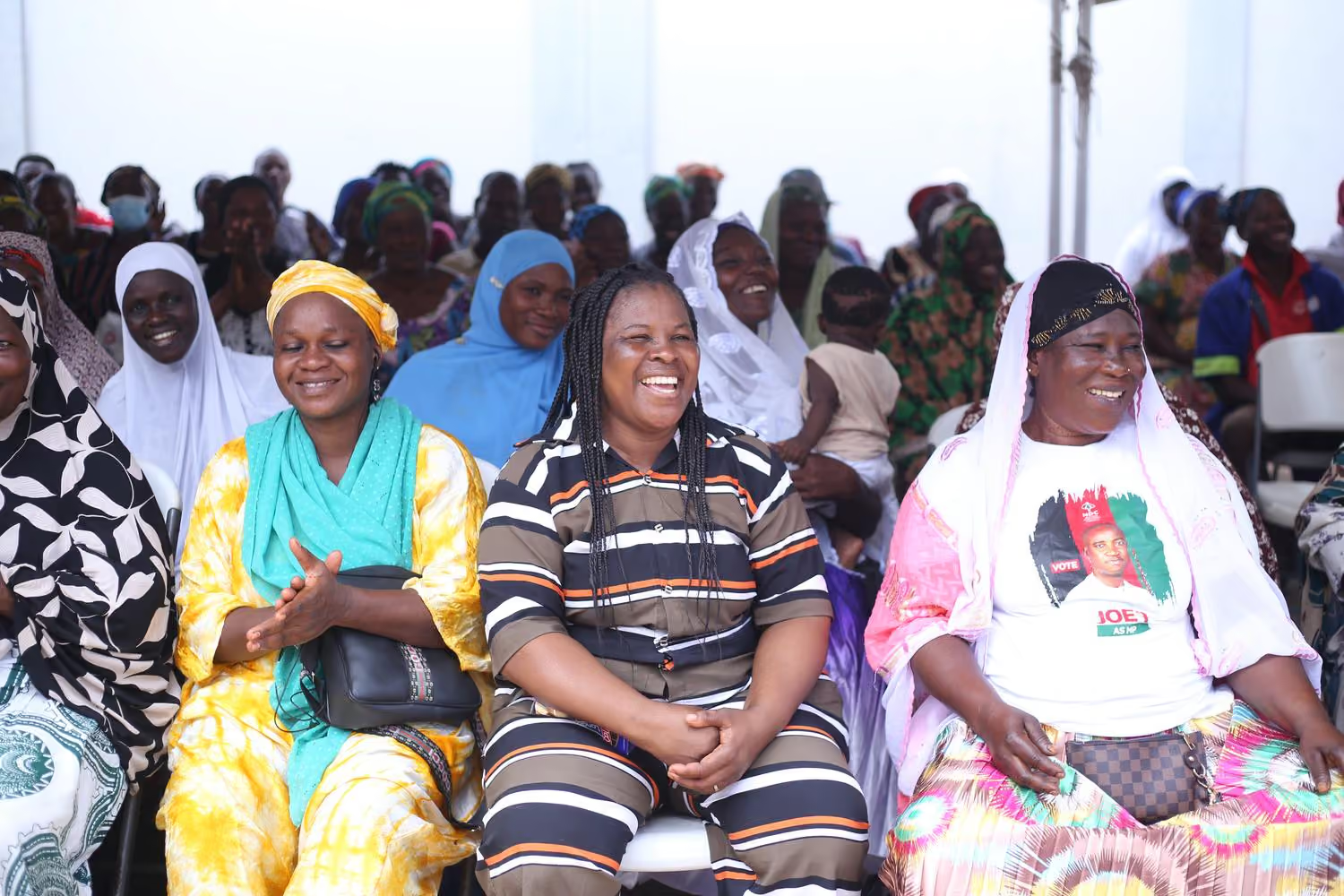
We run the same chain beyond Ukraine – to programs across Africa and the Gulf
The model travels. When a program sits on another continent, we don't just ship a finished pallet and hope – we rebuild the relevant links close to the people it serves, so aid arrives with the means to keep producing, not only to consume.
It is the same field-to-kit logic set in a new place: faster to reach, cheaper to run and far harder to cut off than a supply line that starts an ocean away.
.avif)
We stay accountable to the last mile – from the hub to the person
Most operators stop at the warehouse. We treat the final leg as part of the job: the kit is not delivered until it is in the hands of the household it was built for.
That final accountability is what turns a shipment into proof – aid that is answerable to the family at the end of the line, not just to the plant at the start.
Ukraine
A country at war that still feeds itself, and others
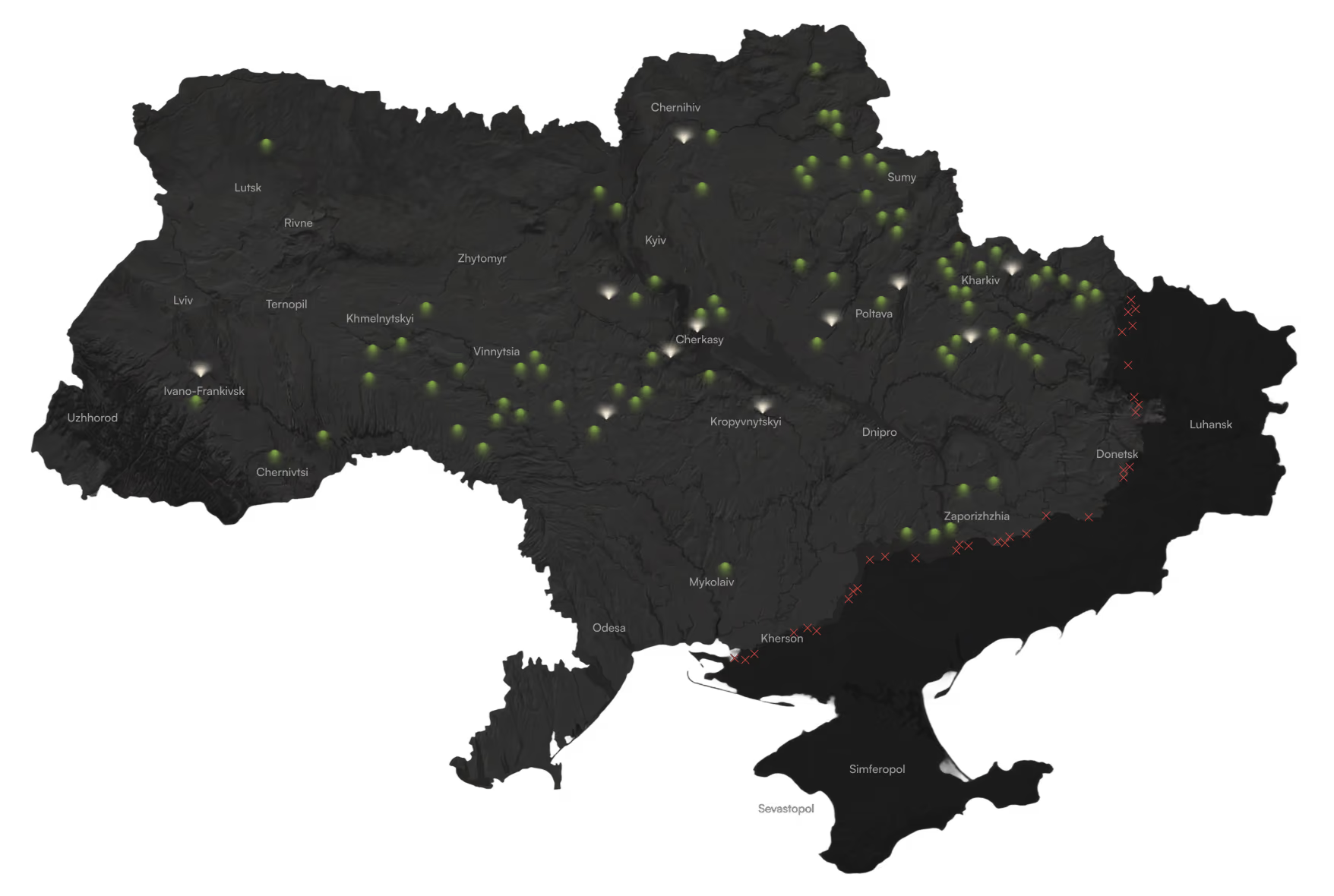



Where Ridne began and still produces – farms and factories across the country that feed Ukraine through the war and now supply missions abroad.
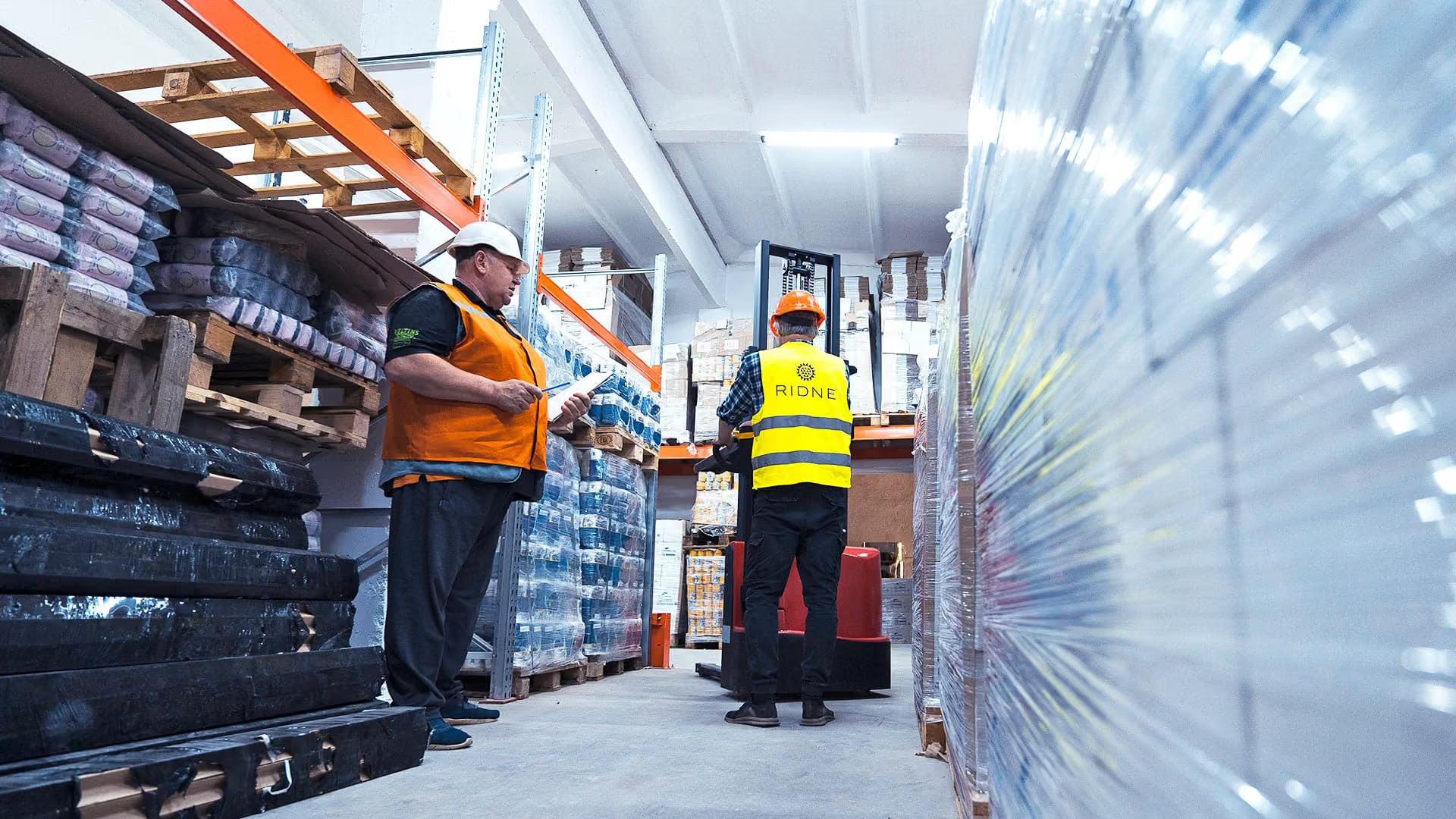
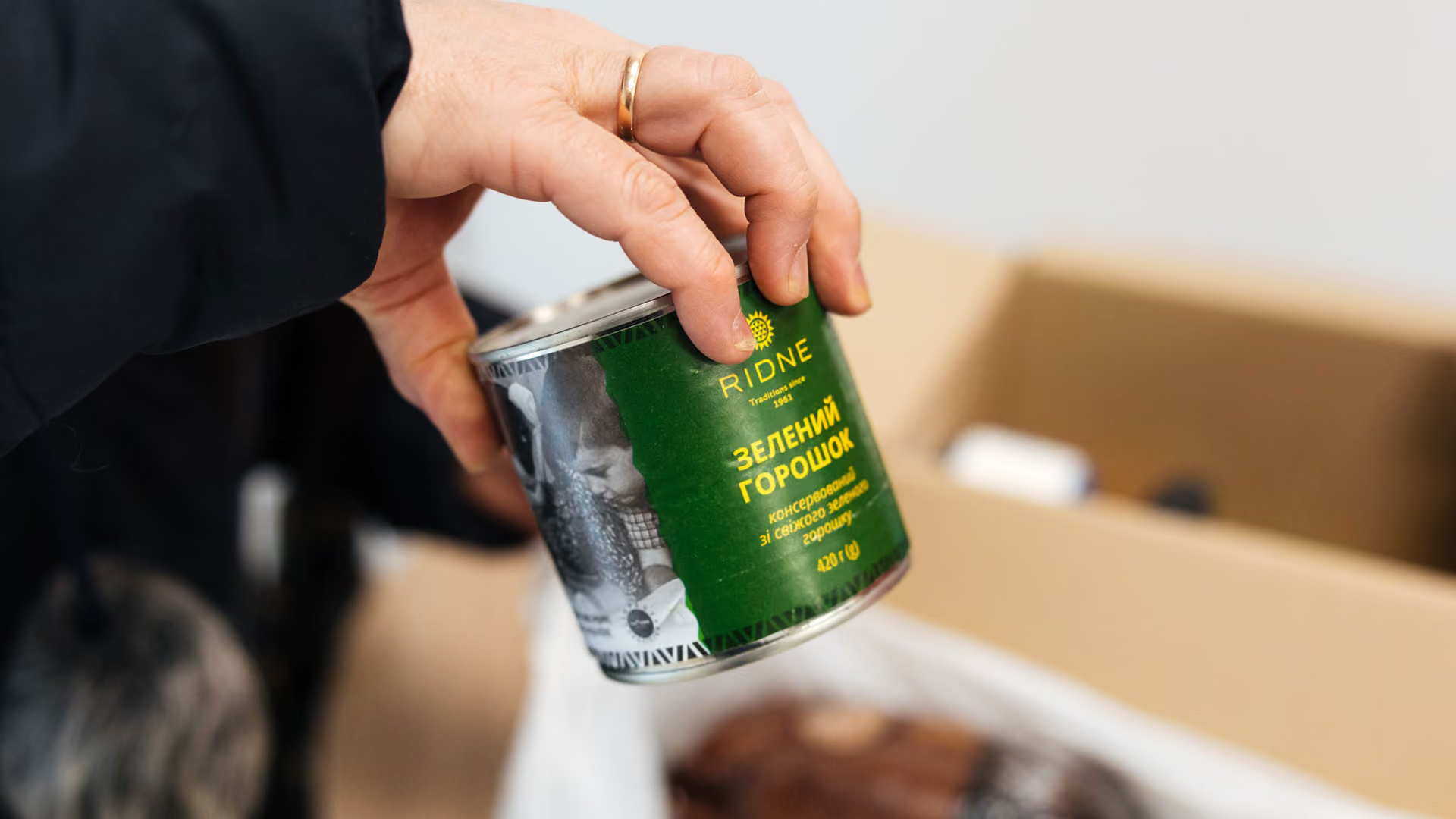
We make and check it ourselves
Everything is grown, made and checked in-house – one standard, any order size.

Standards your auditors can verify
Our plants meet recognised food-safety standards your own auditors can verify.
Documented and transparent
Every consignment is recorded, and each program closes with a report
Plant selection runs through our Seeds of Ukraine program – Ukrainian seed science applied directly to the local climate. Varieties are bred and trialled in-region on demonstration plots near the communities that will grow them, with training for local farmers so a harvest can be repeated season after season.
This page explains what we do along the chain – the directions we run, from soil inputs to the finished kit. The Products page is the catalogue: the individual items themselves, who makes each one and which programs they go to. One is the method; the other is the inventory.
One operation. Every direction runs through the same operator and the same chain: one point of accountability, from the input in the field to the household at the end.
.avif)