A harvest is only as strong as the soil beneath it
The chain that feeds a community starts in the ground – so the consortium produces the soil inputs the harvest depends on, rather than importing them.
About this direction
A reliable harvest does not begin at the mill or the cannery – it begins in the soil. When fertilizer supply is cut or priced out of reach, the whole food chain weakens a season later. Fertilizers is the direction that secures the chain at its very start.
The inputs a harvest depends on
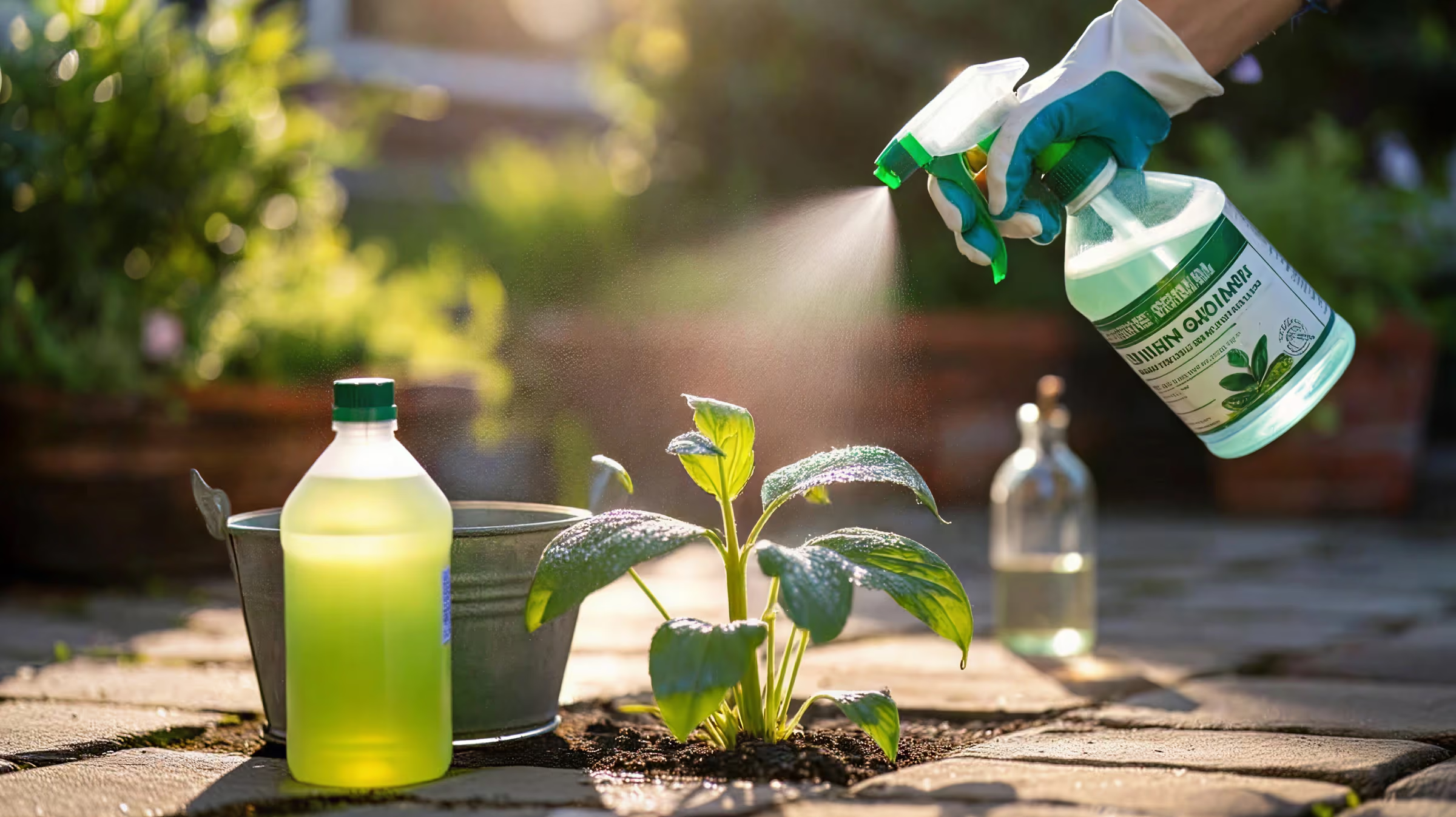
The consortium produces crop nutrition for the partner farms that feed the rest of the chain:
- Nitrogen fertilizers that drive yield on the main staple crops.
- Soil conditioners that keep the land productive season after season.
- Complex NPK blends matched to specific crops and soils.
Keeping these inputs inside the network means the harvest does not depend on an imported supply line that can freeze under war.
Own the soil inputs, and the chain stands on its own – from the ground up.
Why we close the loop this far back
Most food operators start at processing. By producing fertilizer too, the consortium closes the loop one step earlier than almost anyone else – from the inputs that feed the soil, through the farms, to the sealed kit. It is what makes the field-to-kit model genuinely self-sufficient.
The harvest the whole chain depends on starts with the soil we feed.
Crop nutrition, shaped for the soil it feeds
One line of soil inputs – nitrogen fertilizers, conditioners and NPK blends – matched to the crops and land of the farms that feed the chain.
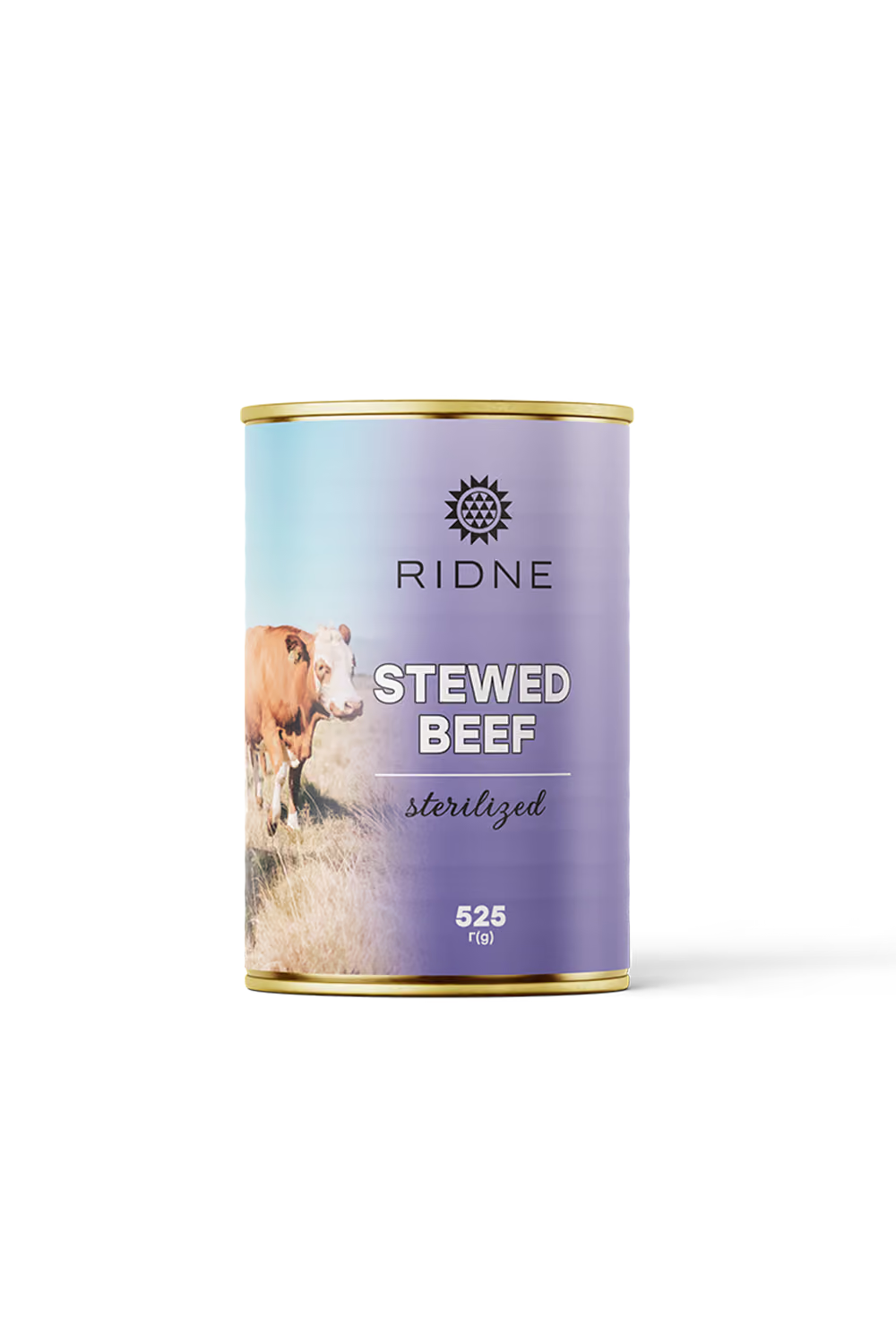
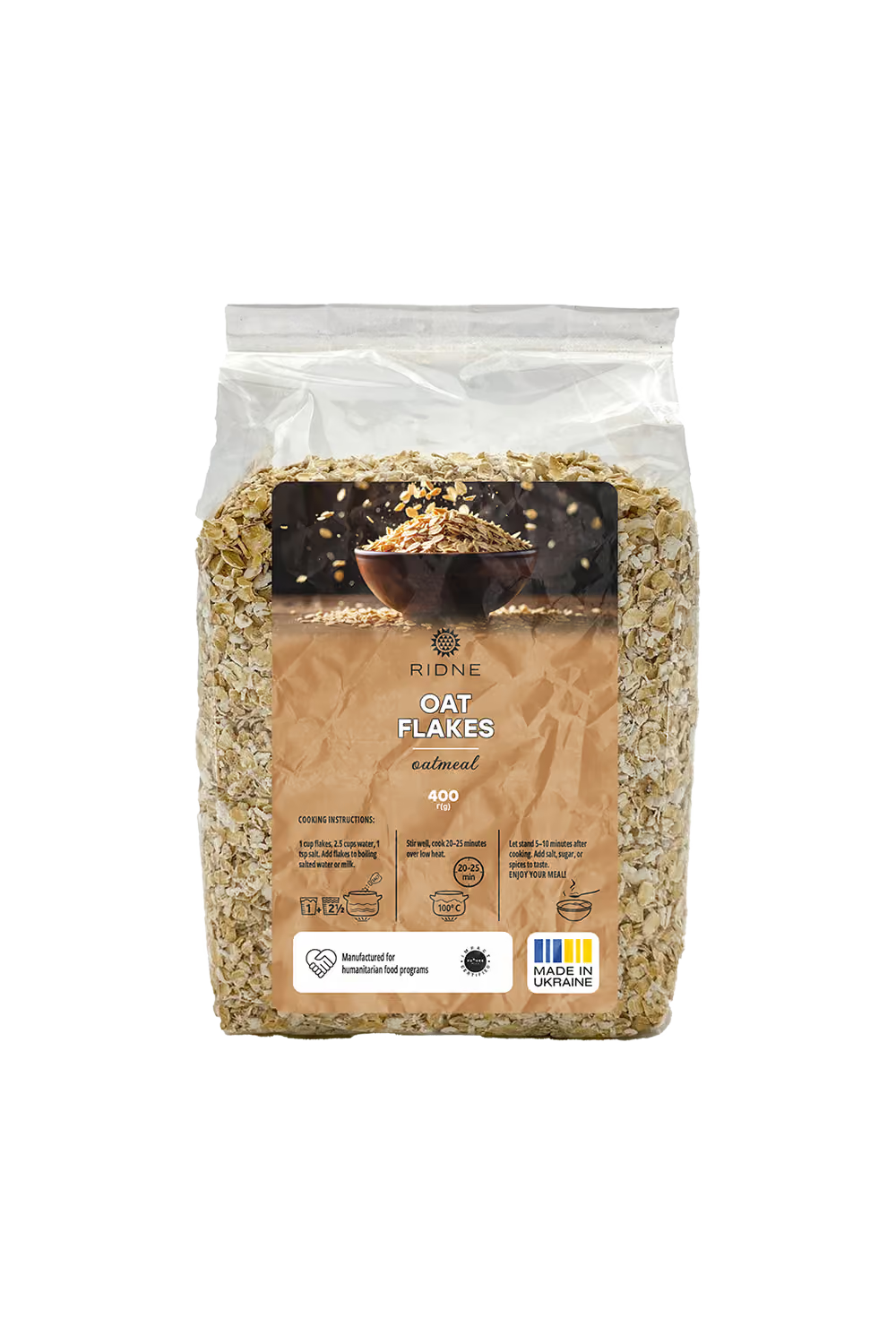
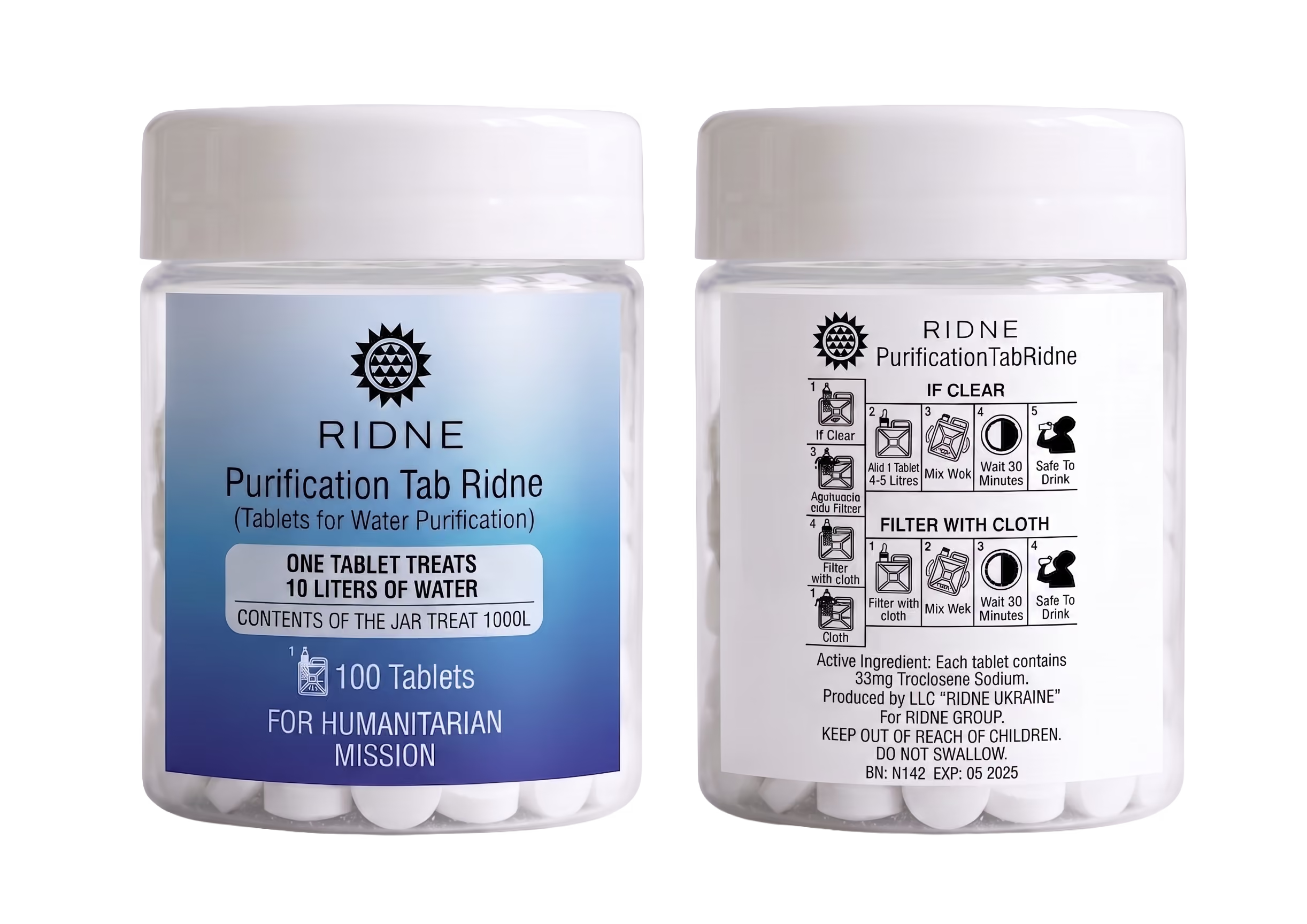
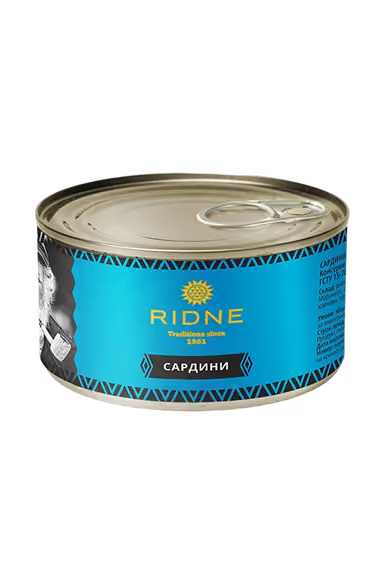
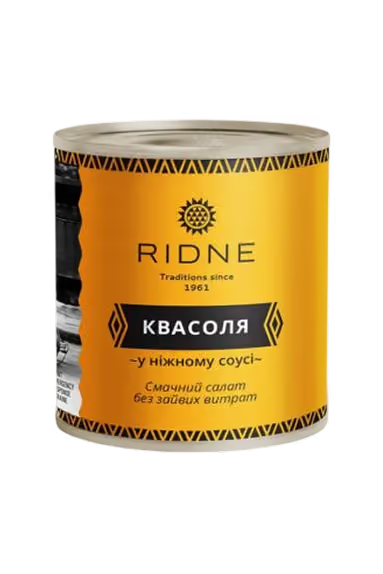
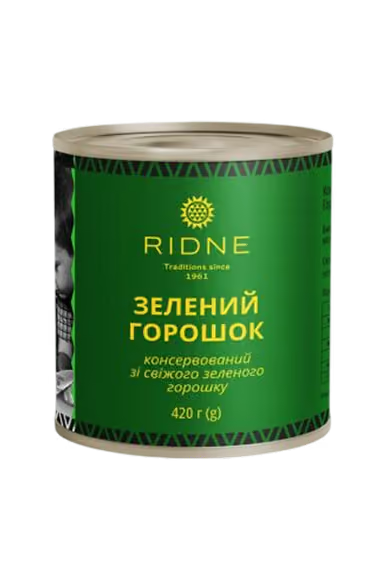
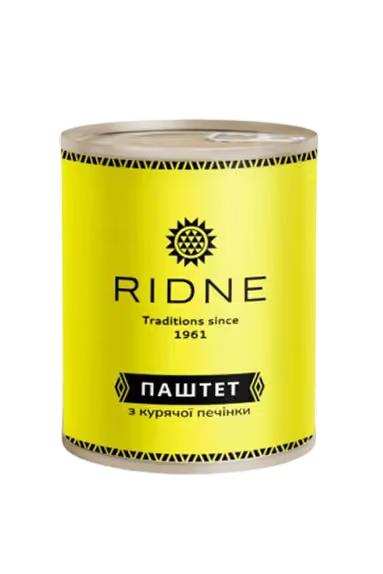
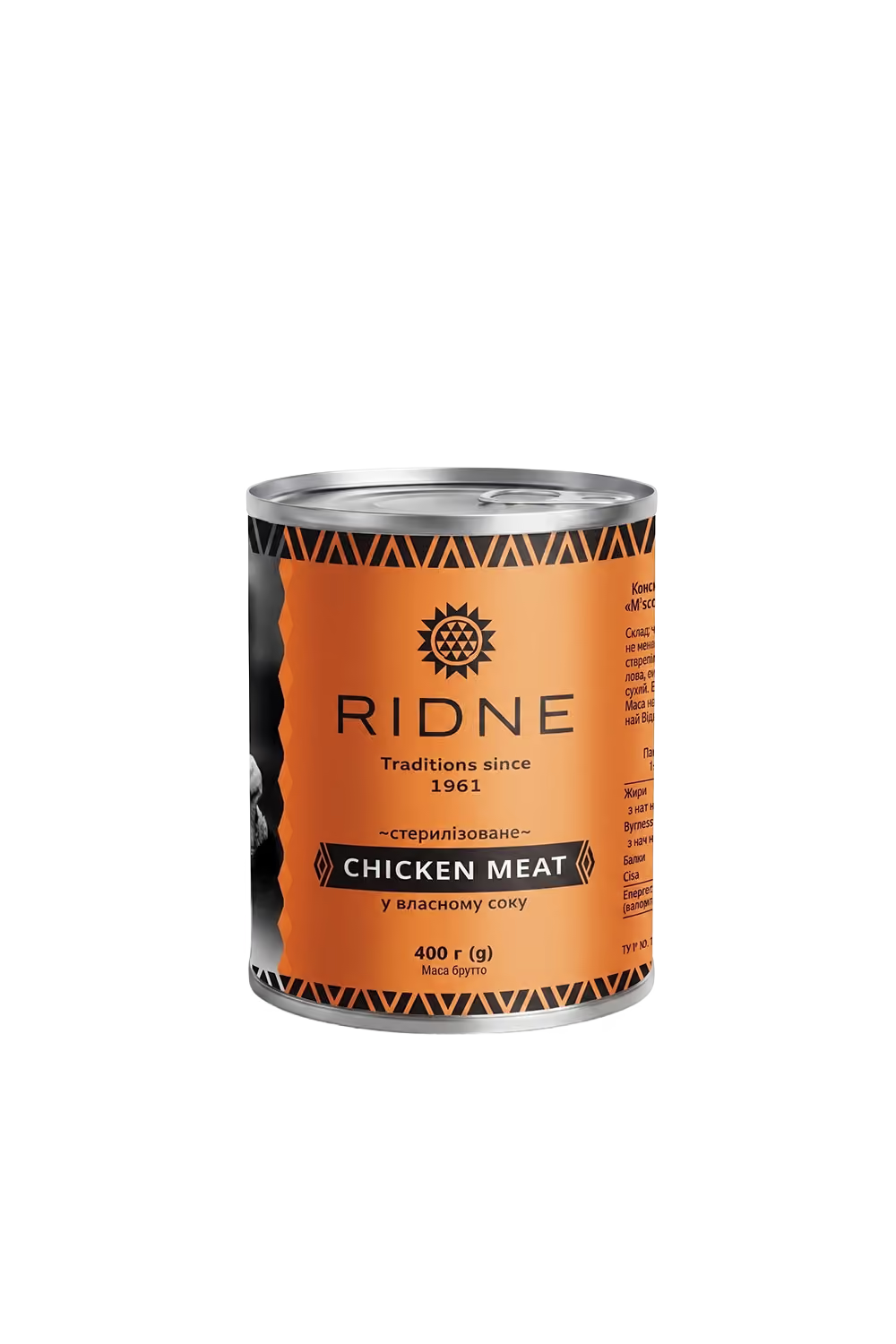
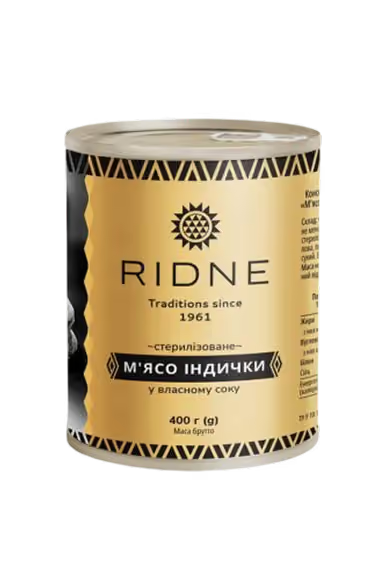
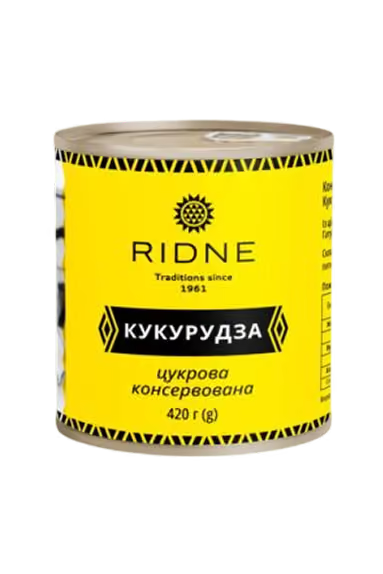
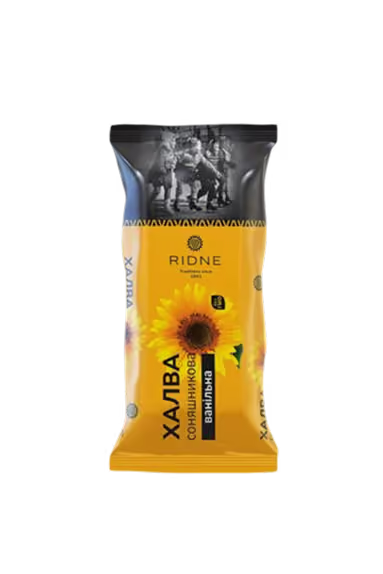
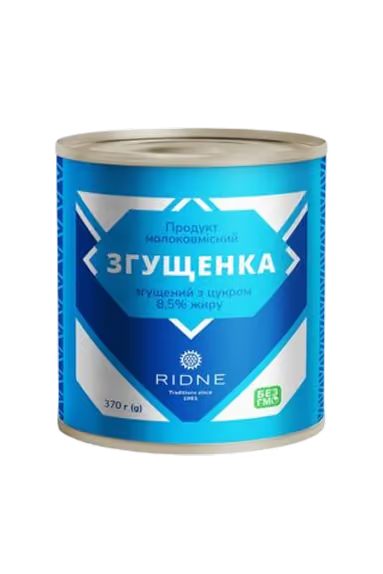
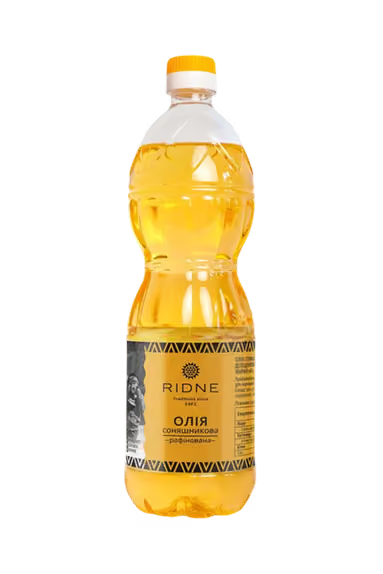
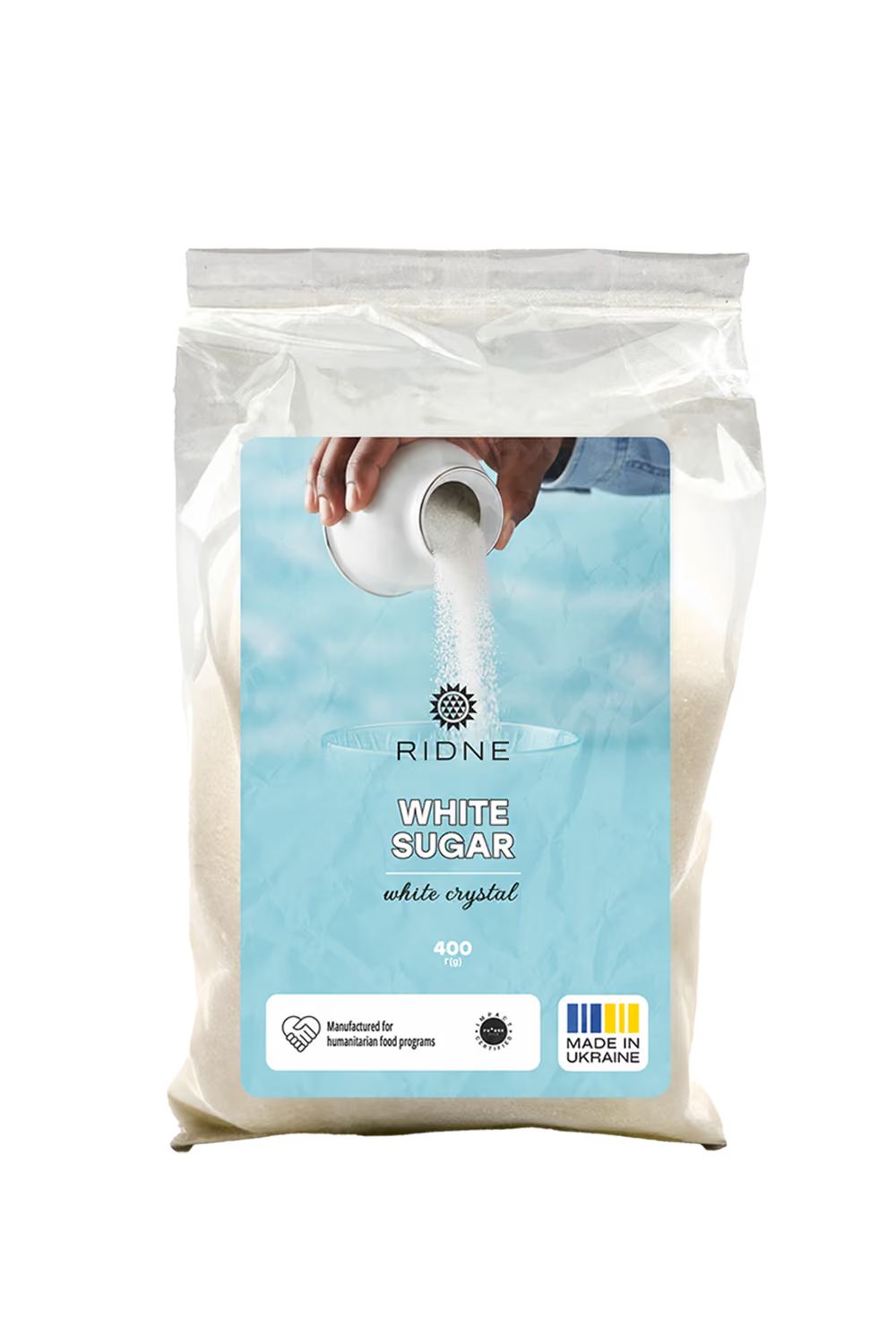
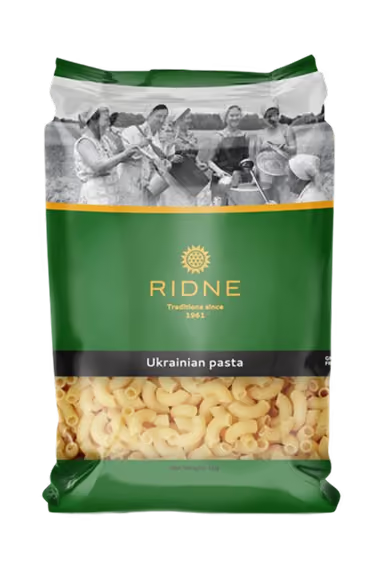
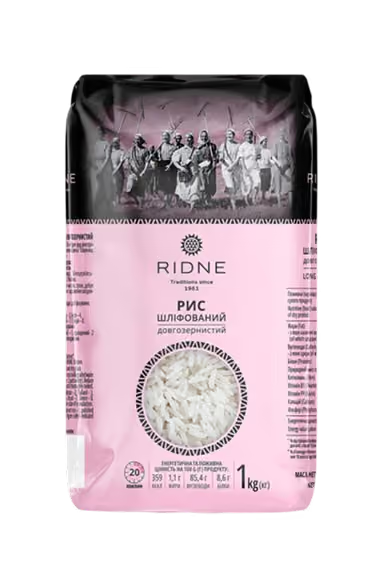
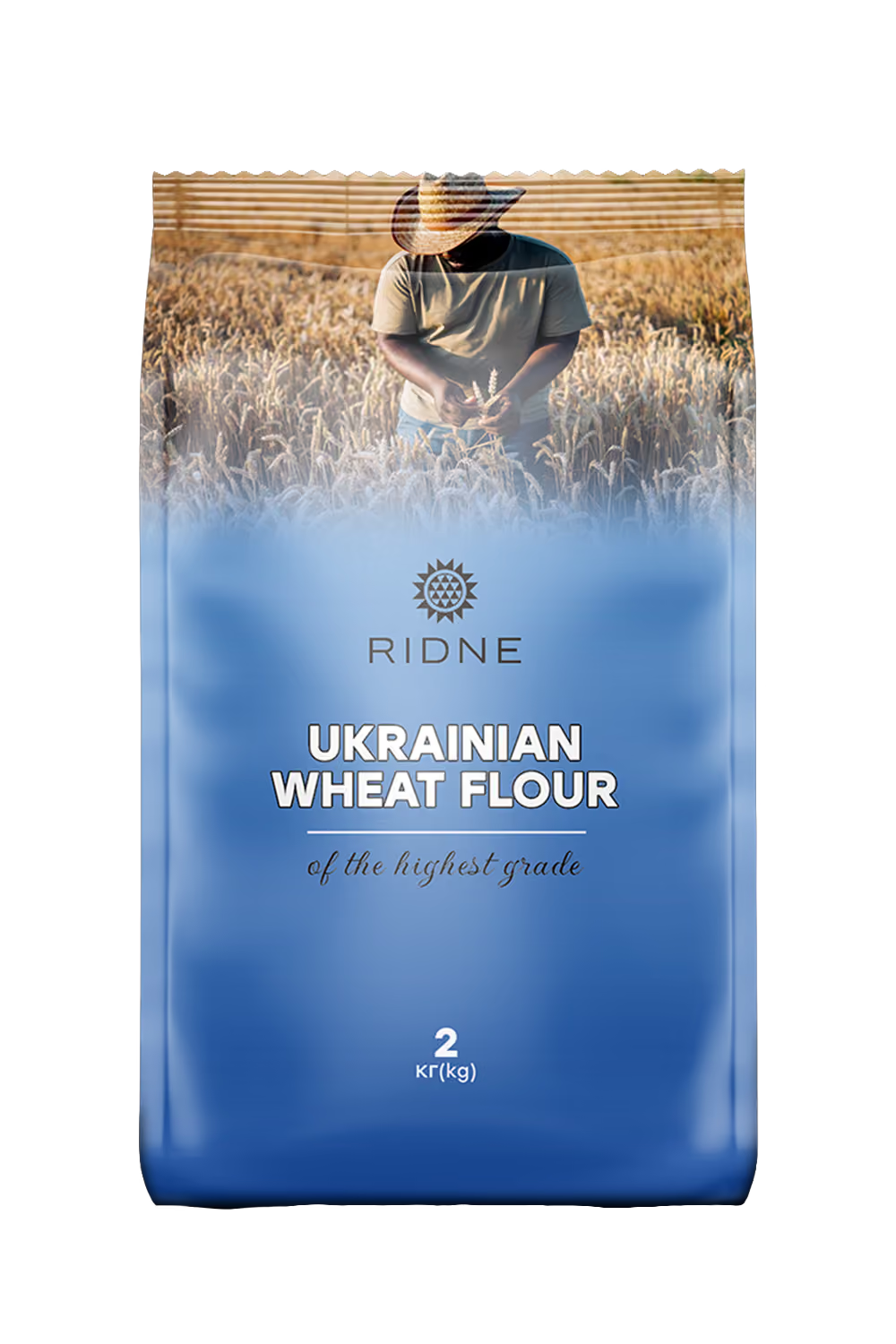
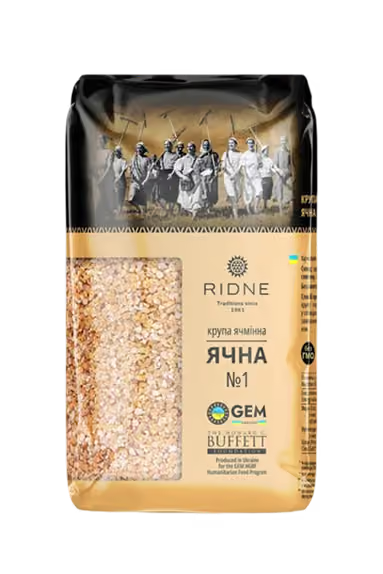
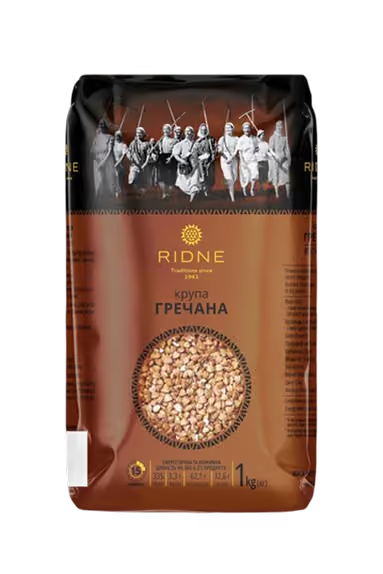
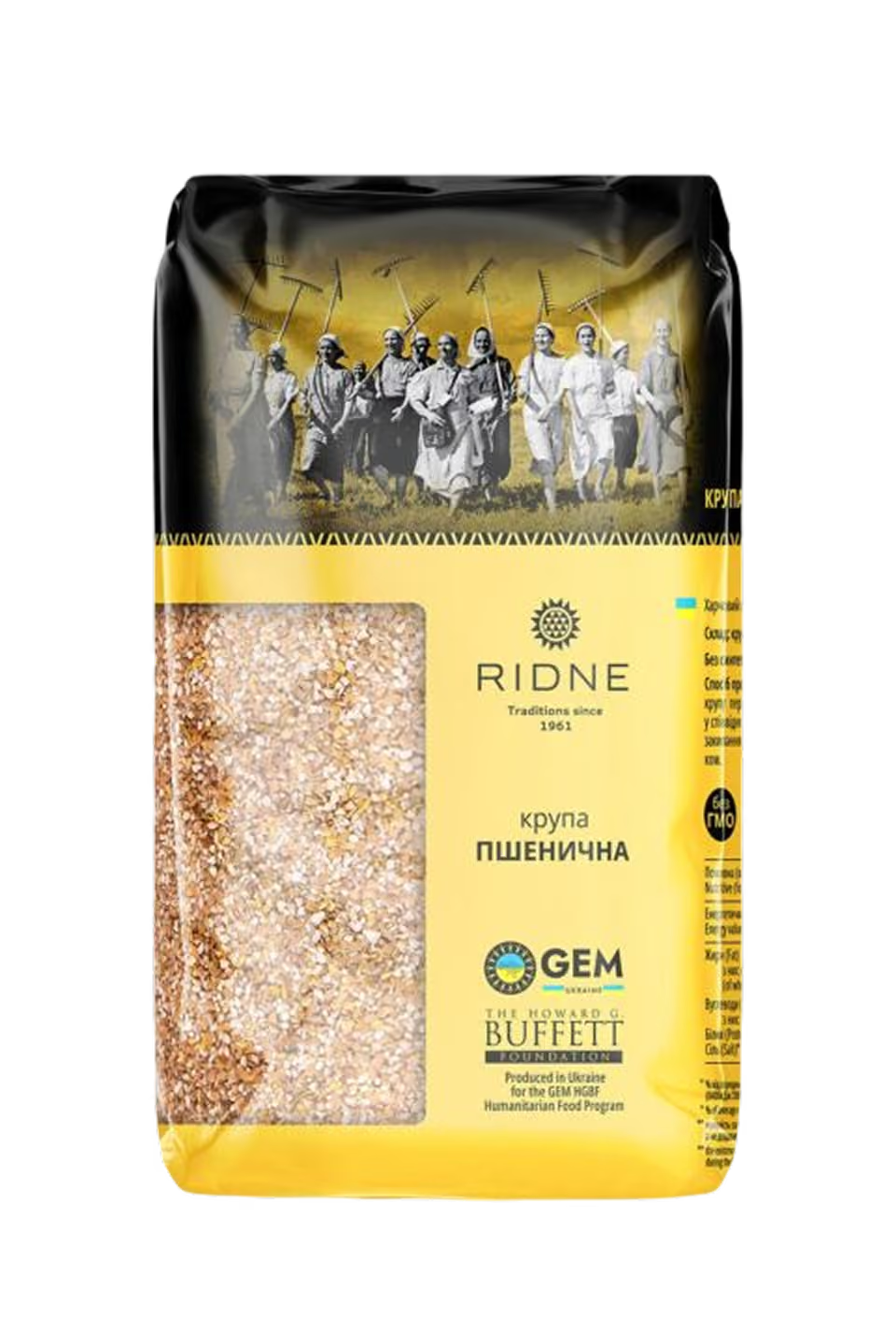
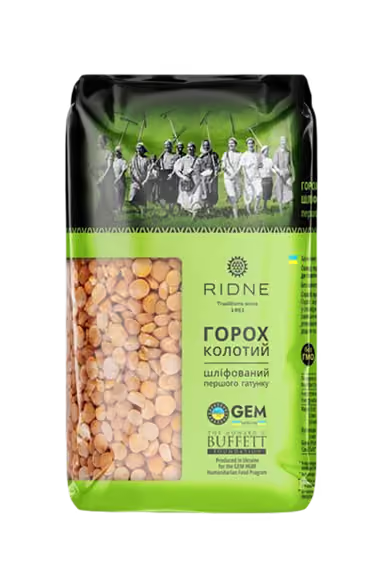
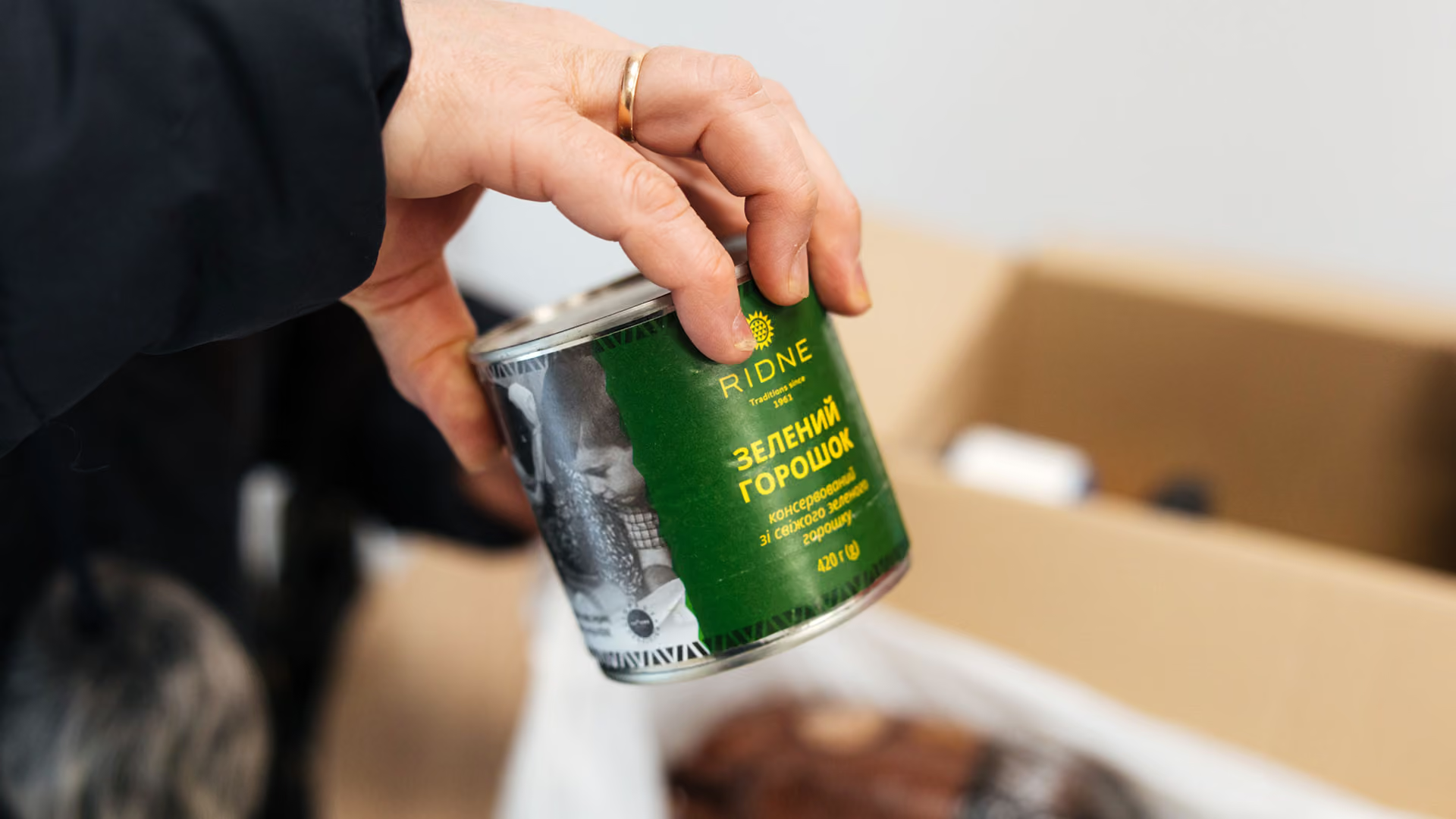
Behind every line sits one catalogue – the staples that fill a full humanitarian kit







We make and check it ourselves
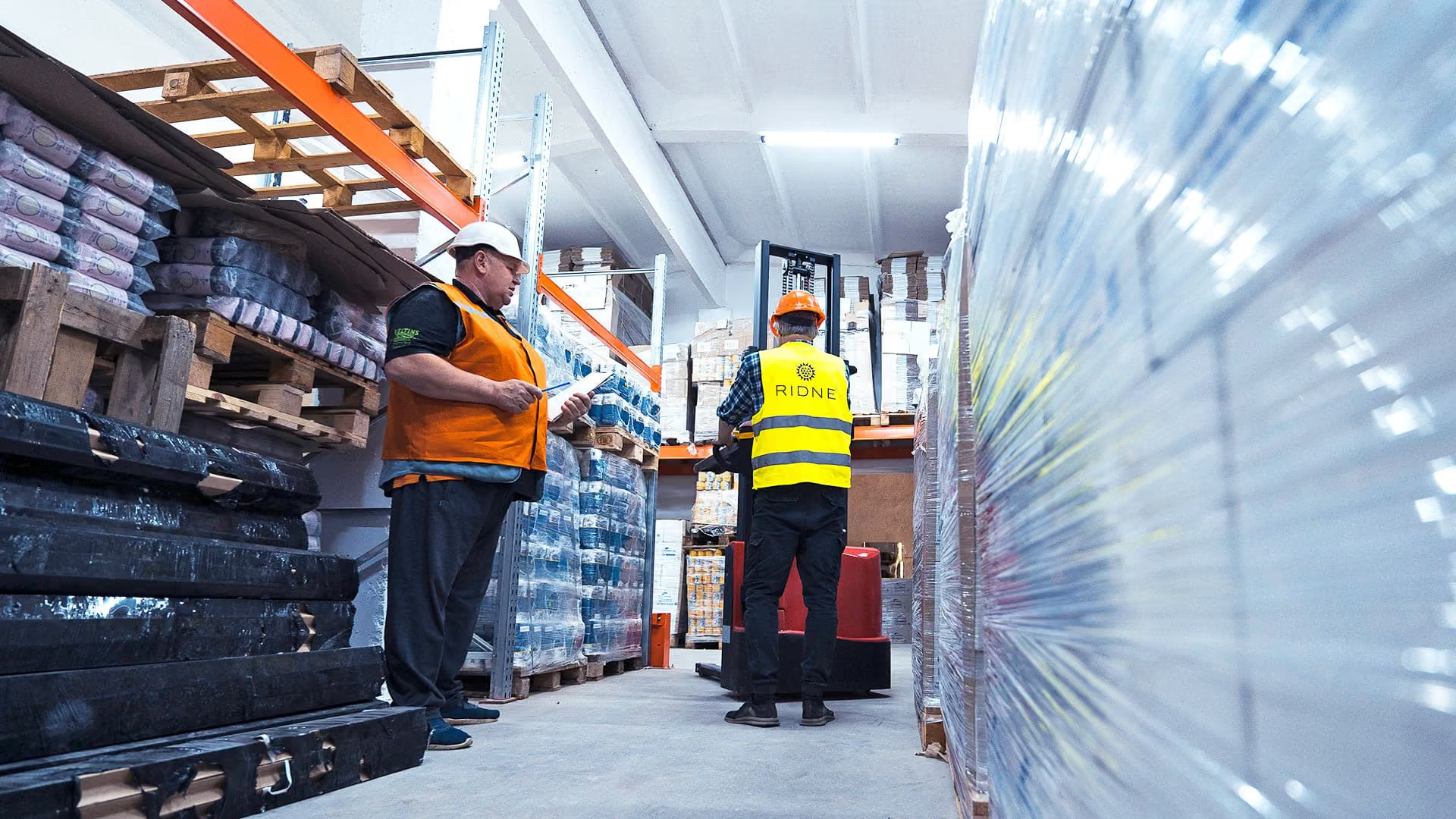
Everything is grown, made and checked in-house – one standard, any order size.

Standards your auditors can verify
Our plants meet recognised food-safety standards your own auditors can verify.
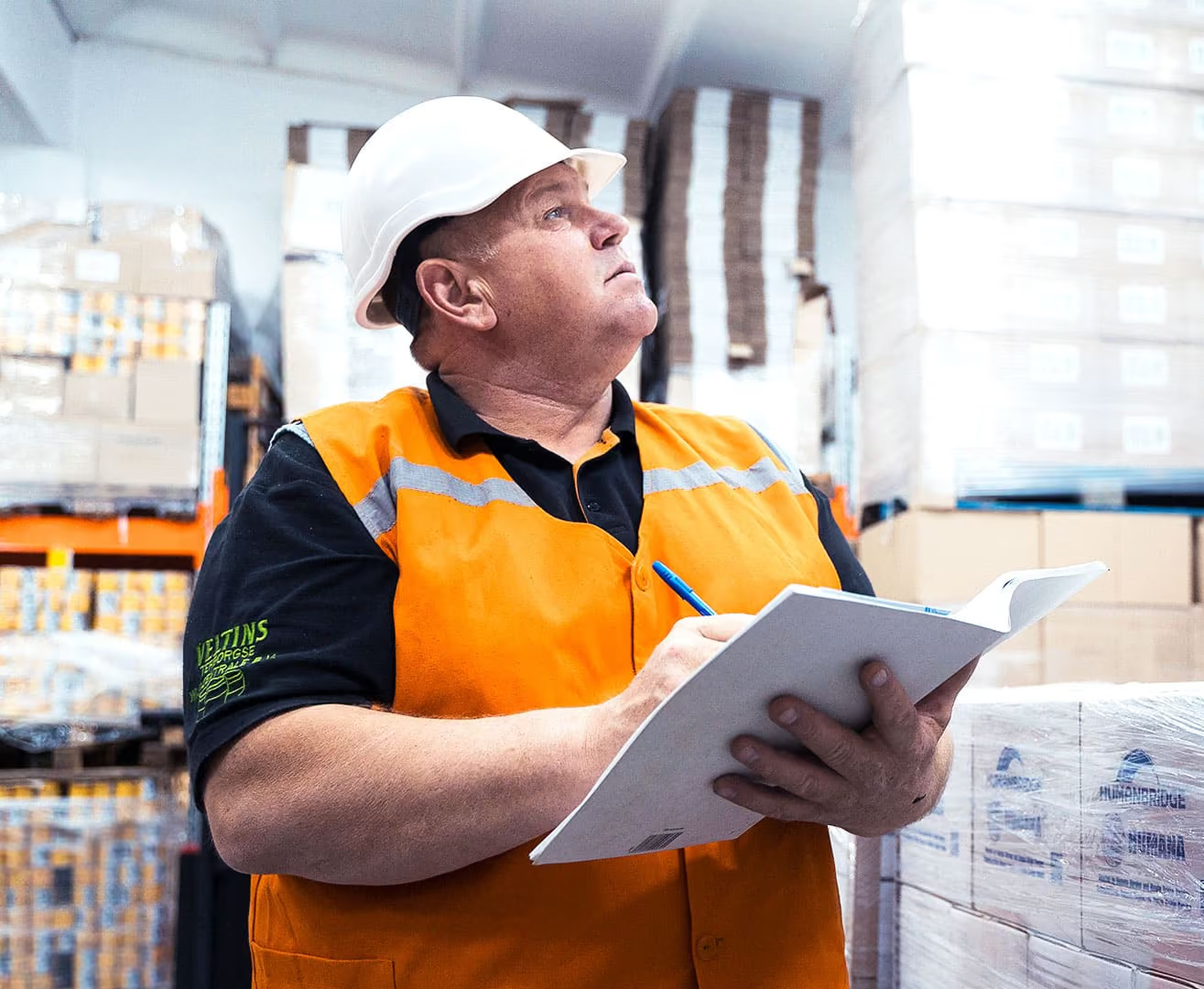
Documented and transparent
Every consignment is recorded, and each program closes with a report