A harvest that begins with a seed chosen for its ground
The surest way to end the need for aid is to help a community grow its own food – with seed bred for the climate it has to survive.
About this direction
Most humanitarian work moves finished food toward people. Plant selection moves the other way – it puts the means of production into local hands, so a community can grow its own food instead of waiting for the next delivery. It is the direction that works to end the need for aid.
Seed bred for harder ground
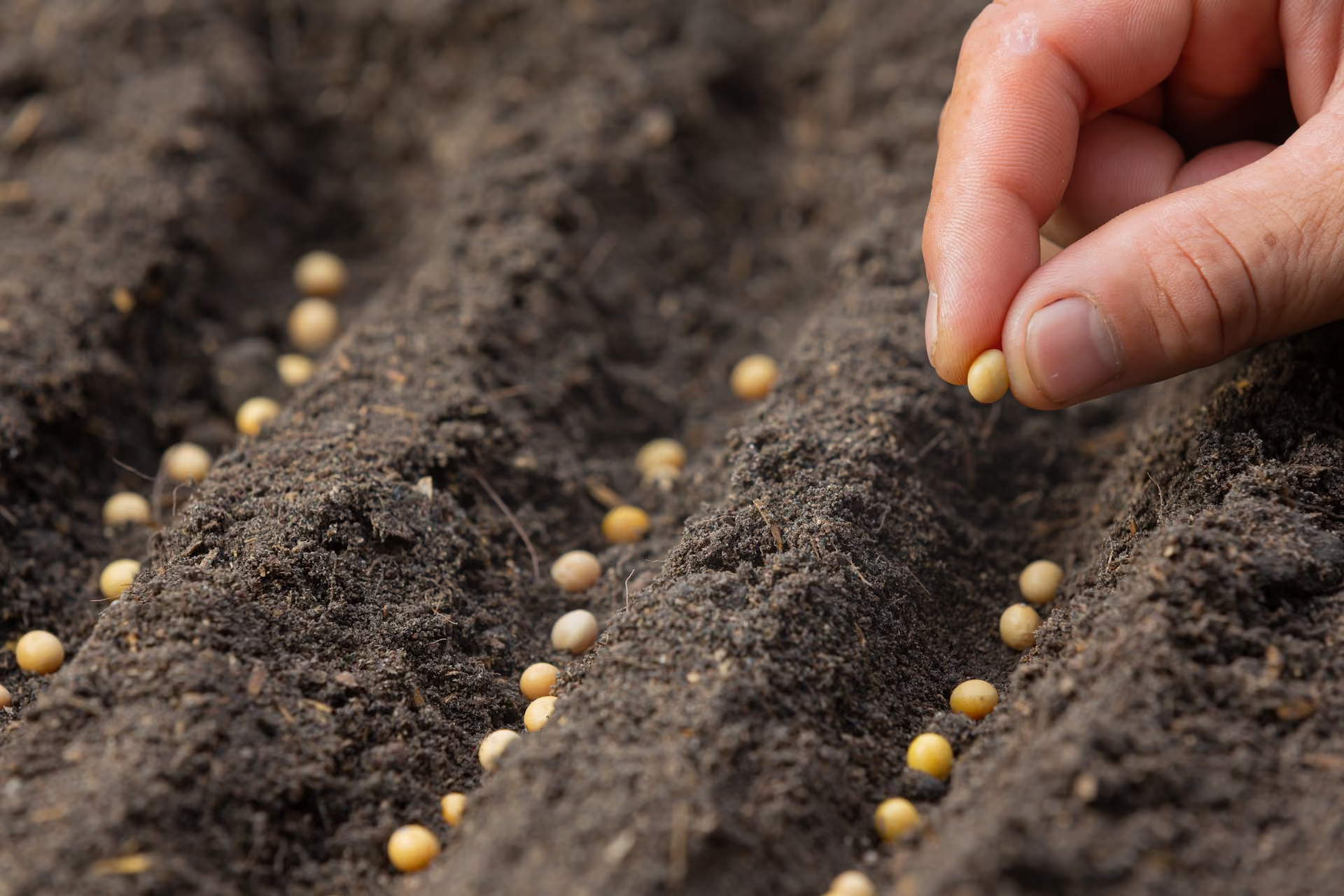
The work breeds and tests crop varieties that hold up where imported seed often fails:
- Crop families chosen to cover the core of a local diet.
- Varieties adapted to a hot, harsh climate and poorer soils.
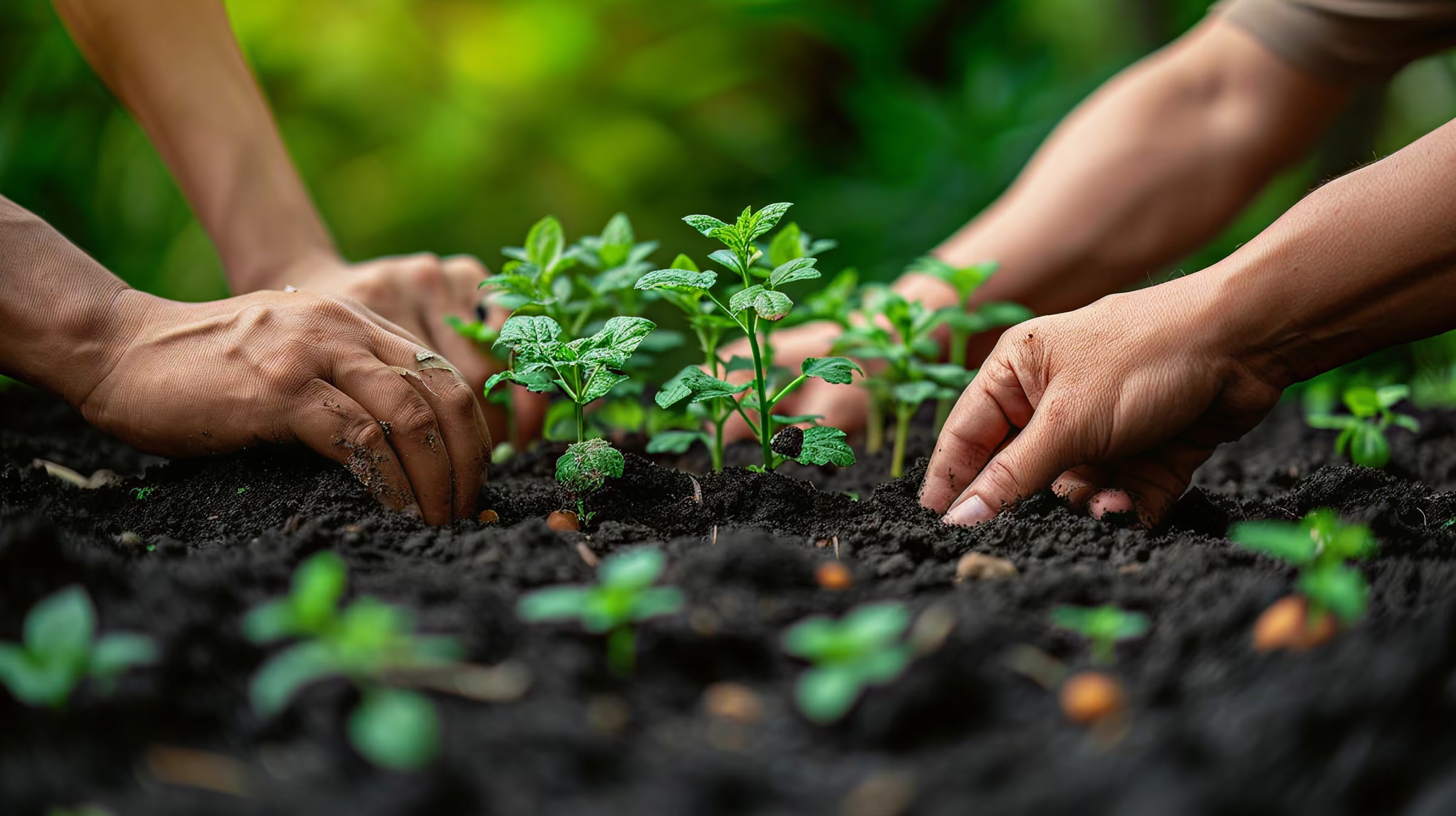
- Demonstration plots set close to the communities the seed is bred for.
Drawing on Ukrainian seed science, the program prepares varieties in-region and lets farmers see them grow in their own conditions before they sow.
A harvest a community can repeat next season is worth more than a parcel it has to wait for.
From a delivery to a harvest
The plots double as proof and as classroom: results in the field, farmer training alongside them, and varieties that stay in the region after the first season. Each harvest grown locally is one less that has to be shipped in.
Aid that ends the need for aid – starting at the input end of the chain.
The same seed science, shaped for the ground it grows in
Varieties bred and prepared for each region – adapted to the climate and soil of the community that will sow them.
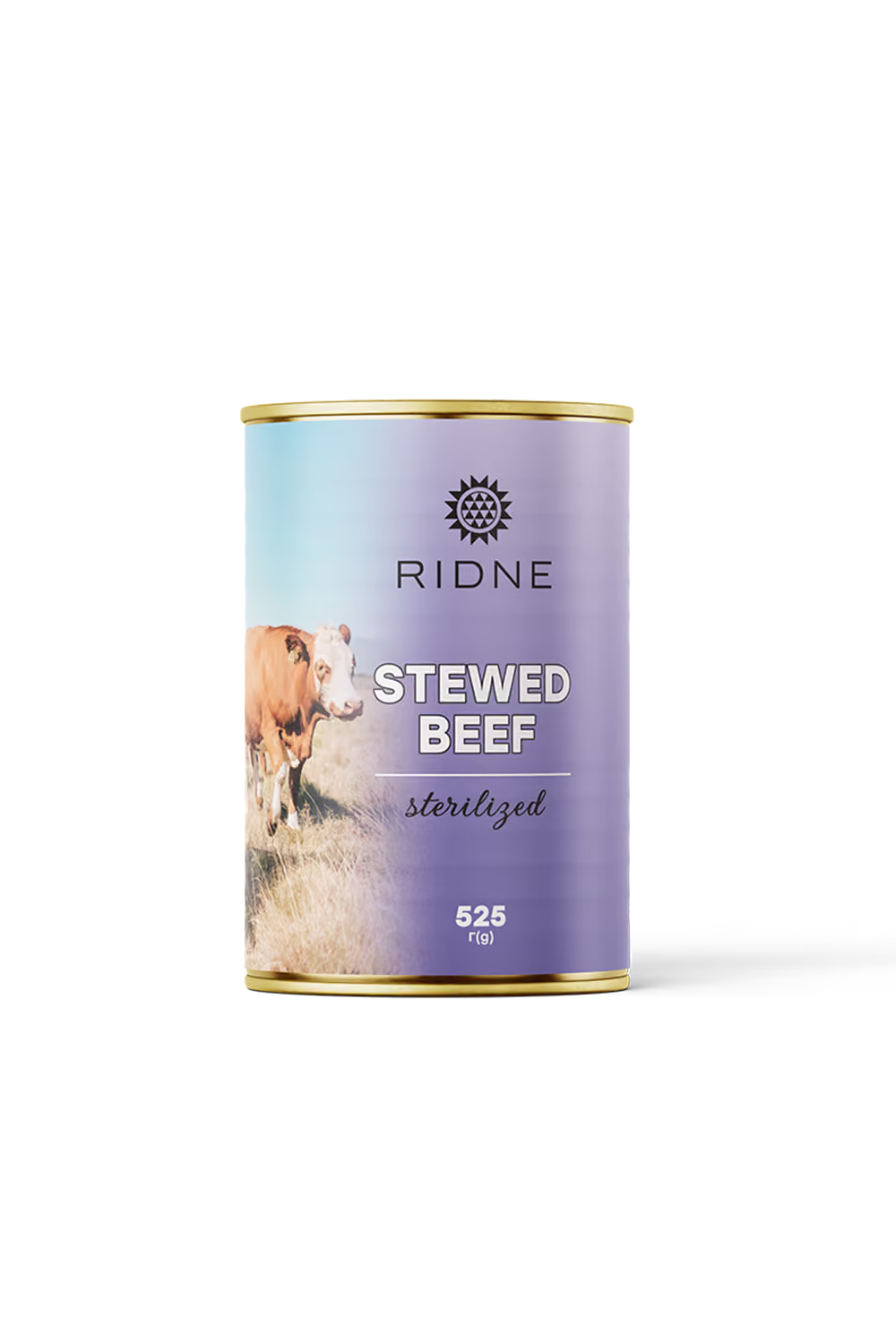
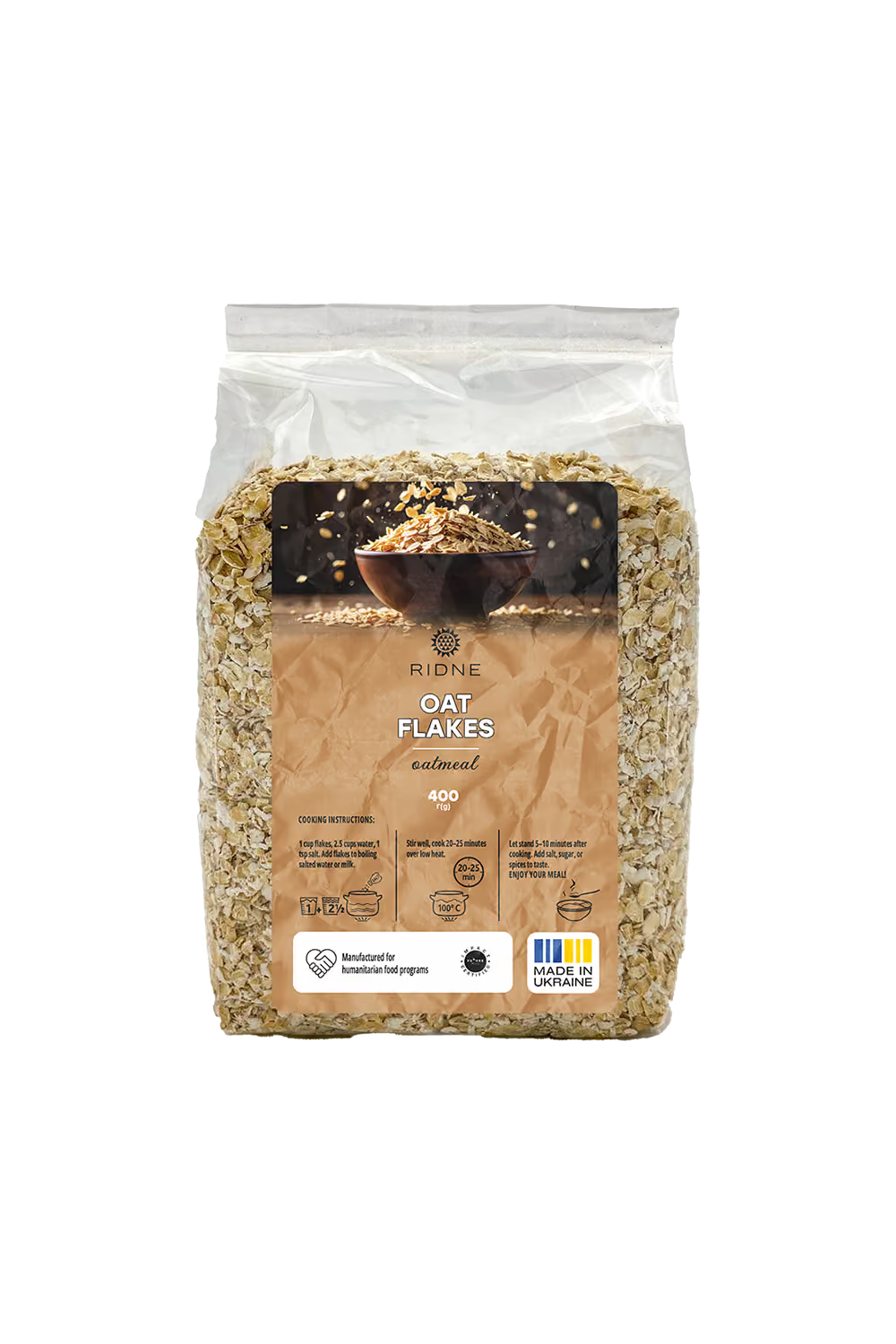
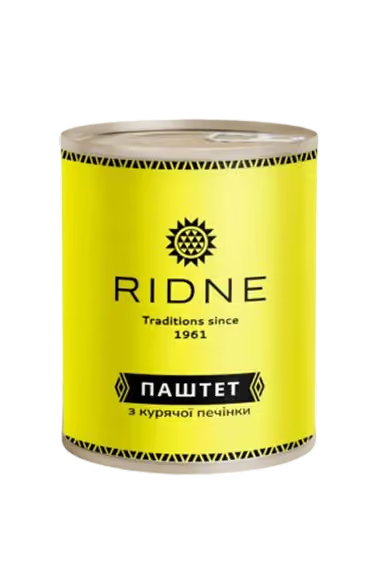
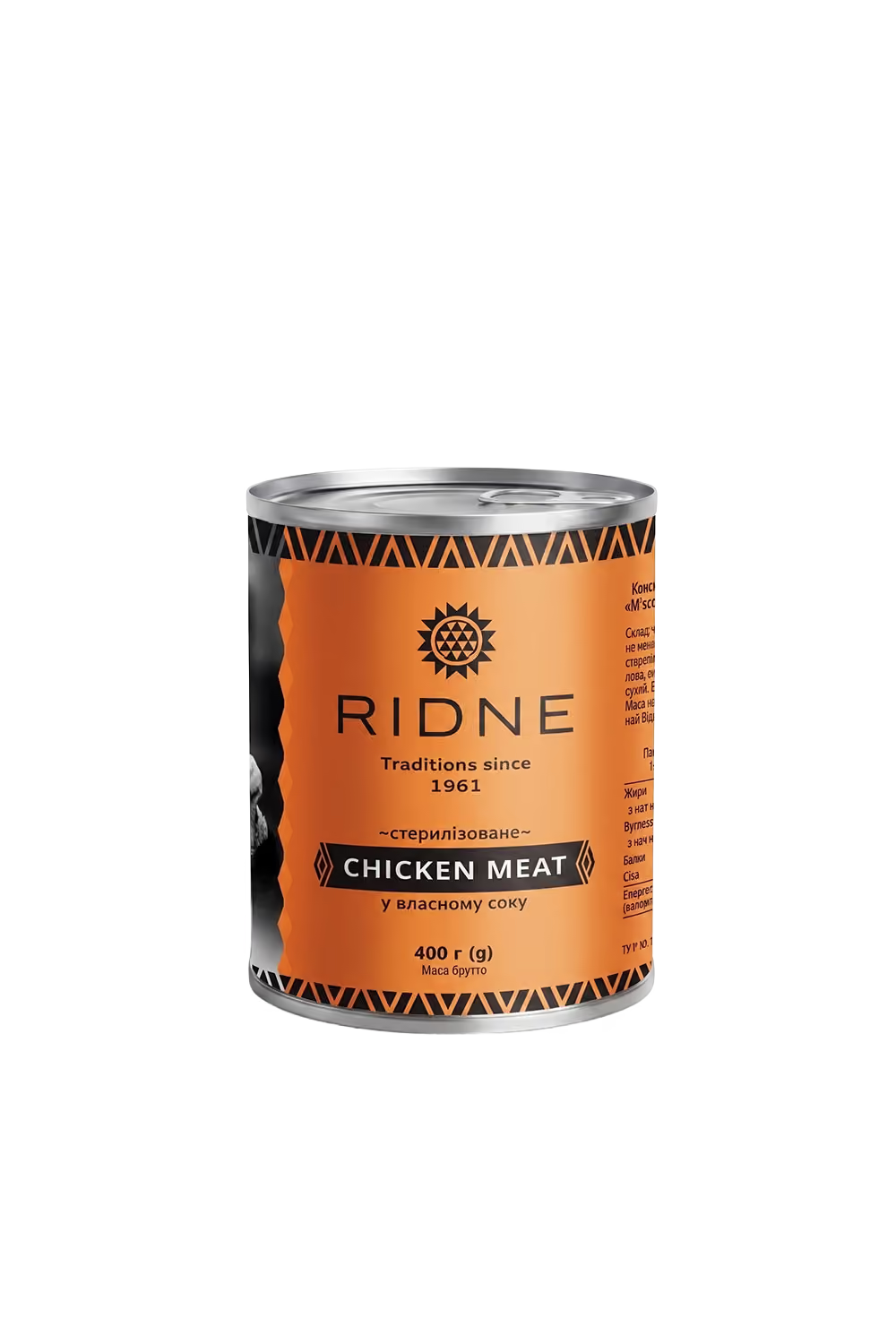
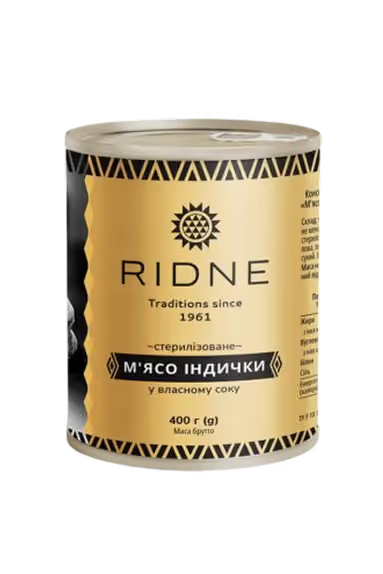
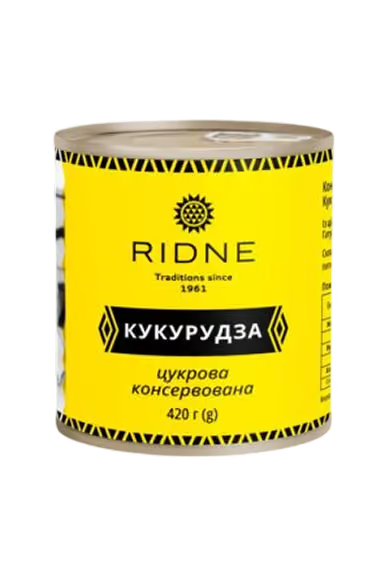
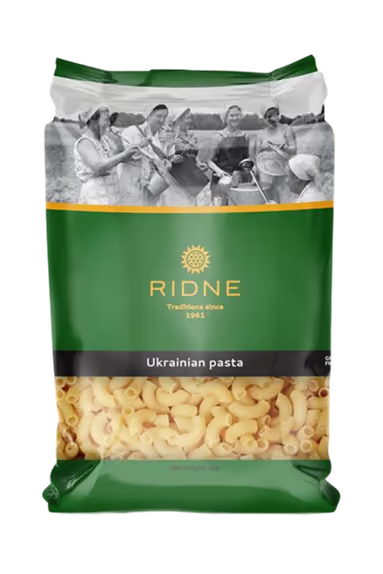
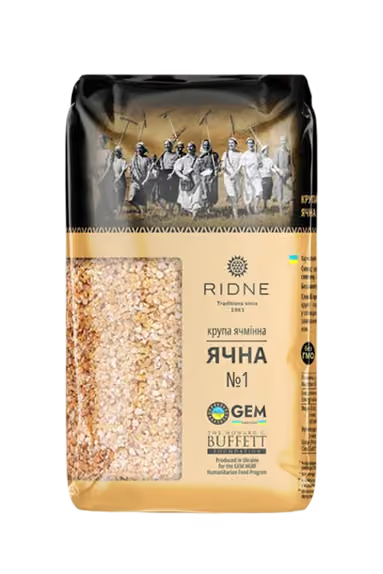
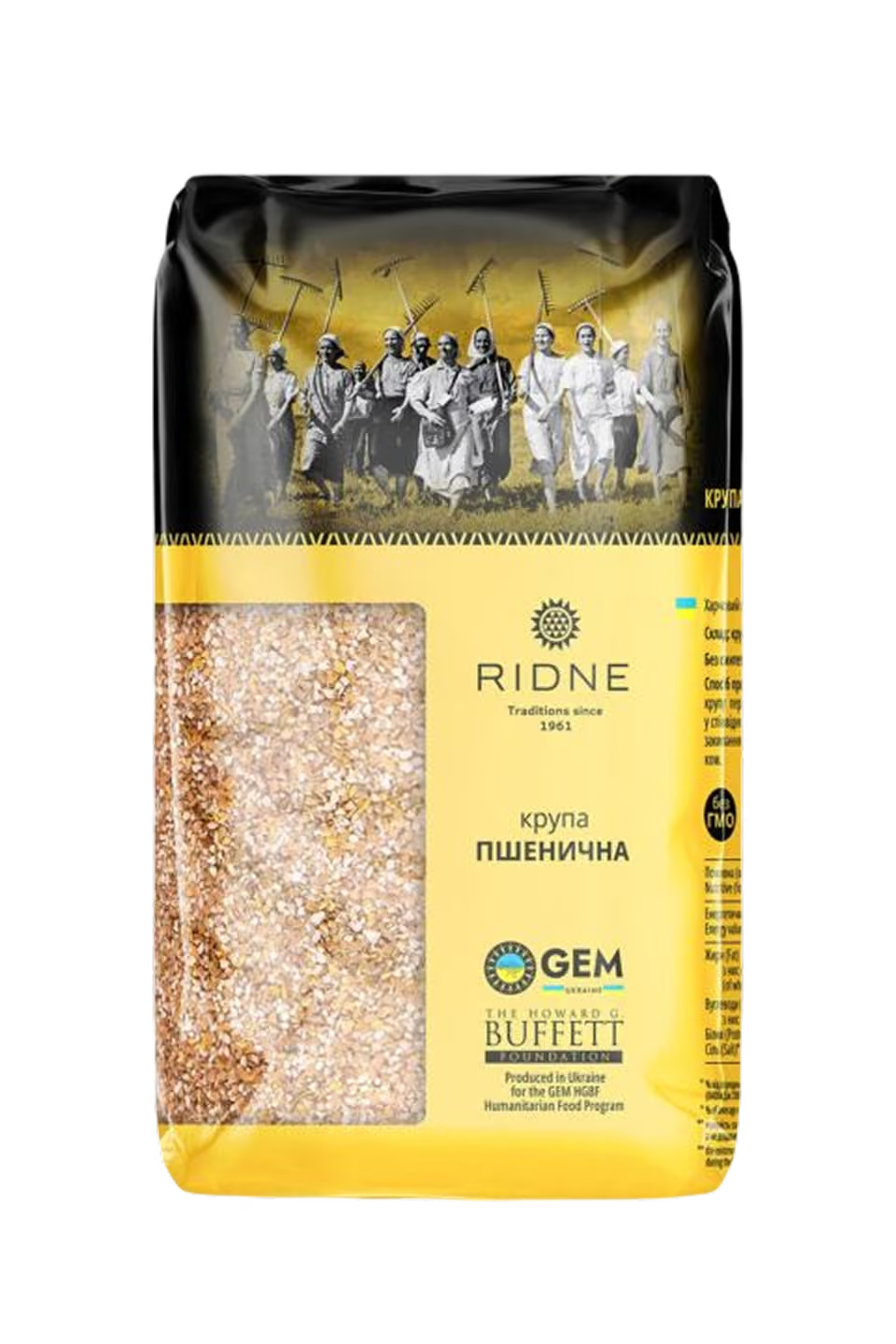
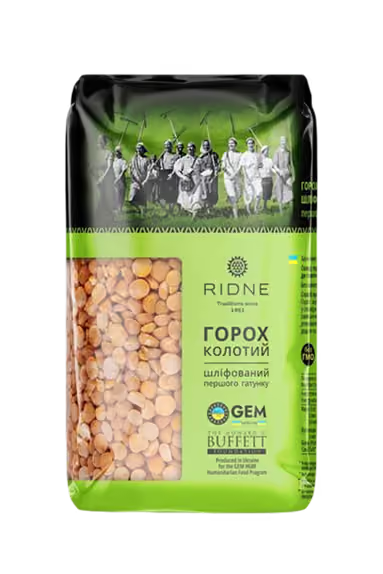
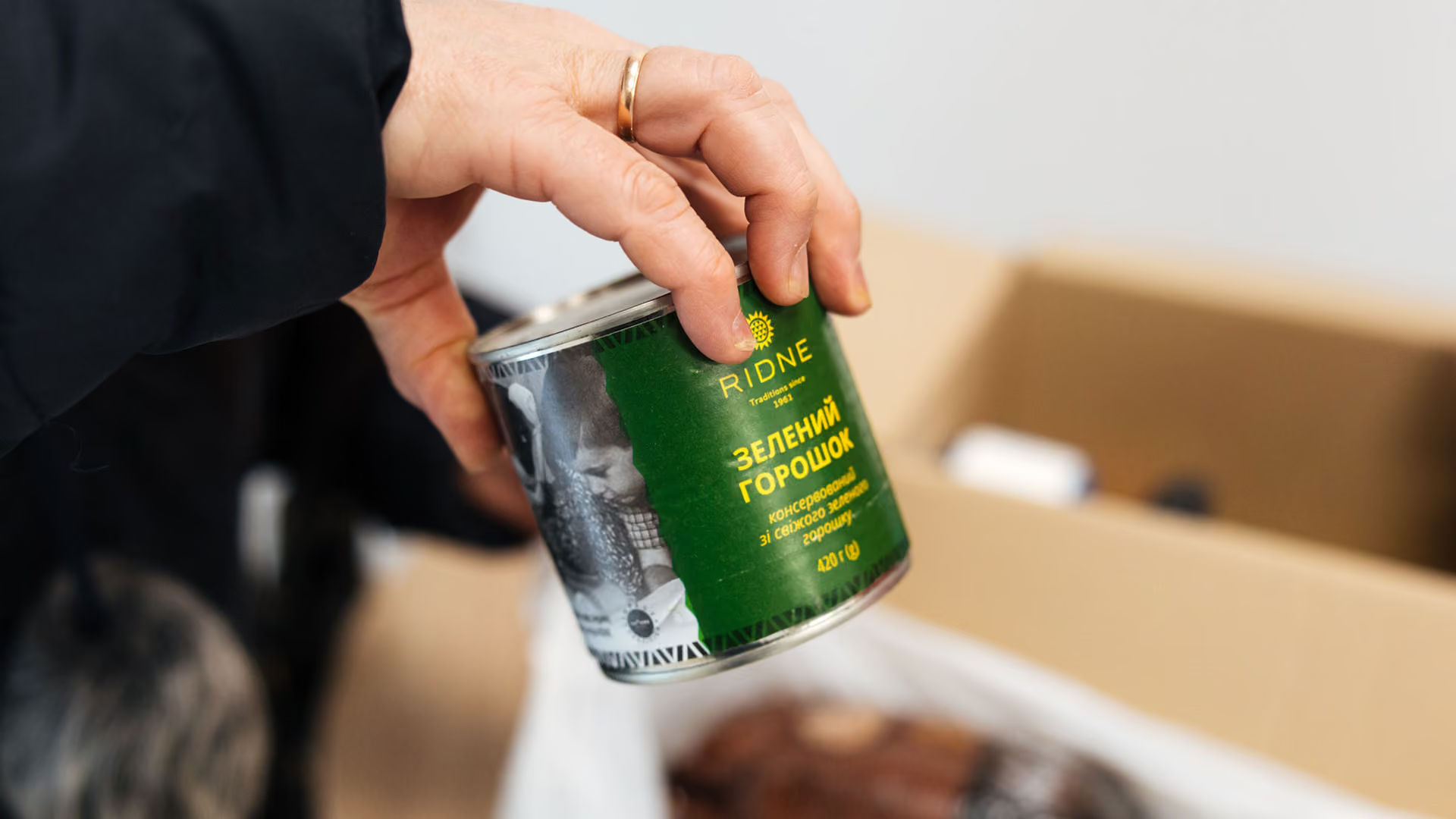
Behind every line sits one catalogue – the staples that fill a full humanitarian kit




















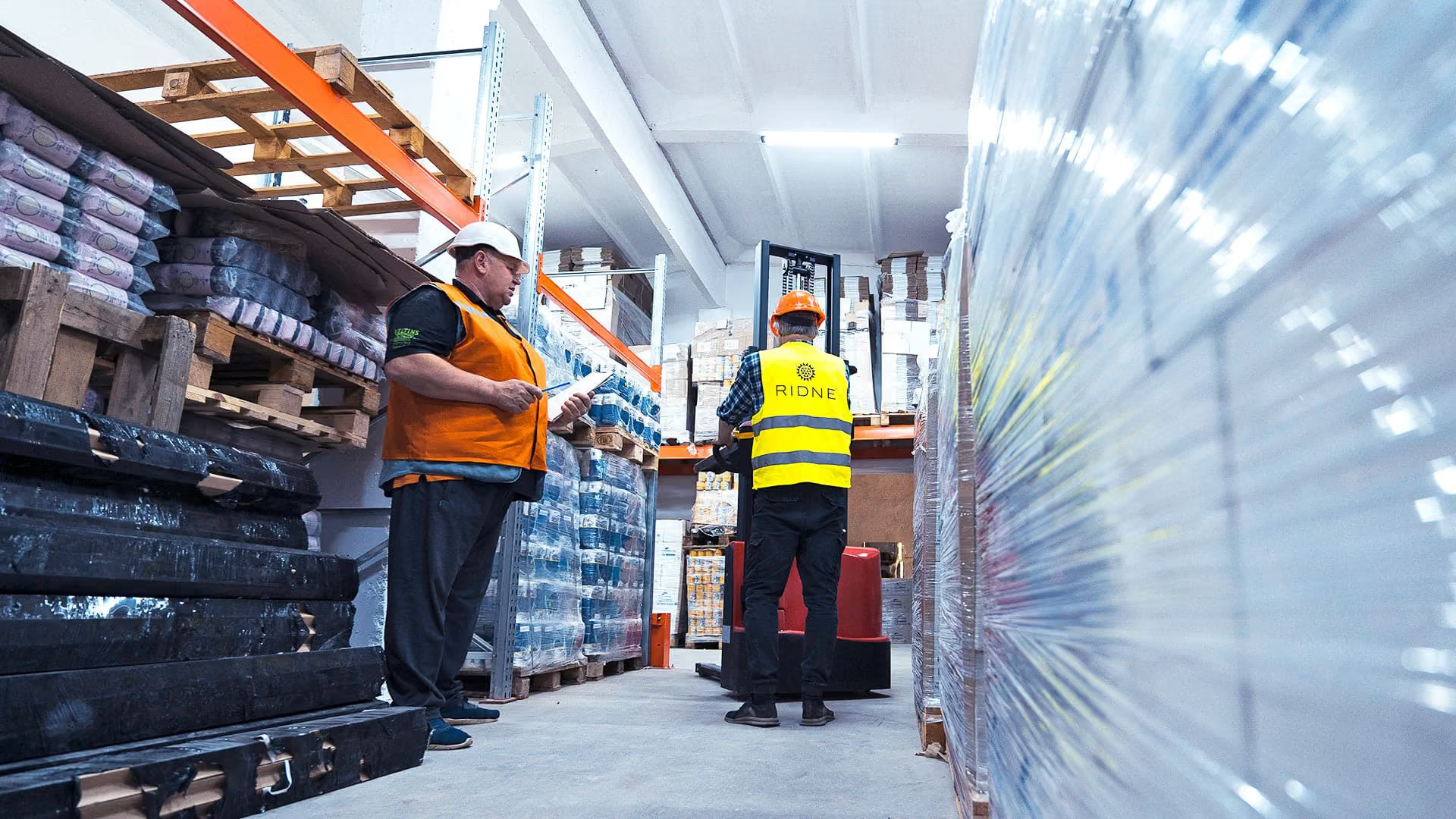
We make and check it ourselves
Everything is grown, made and checked in-house – one standard, any order size.


Standards your auditors can verify
Our plants meet recognised food-safety standards your own auditors can verify.
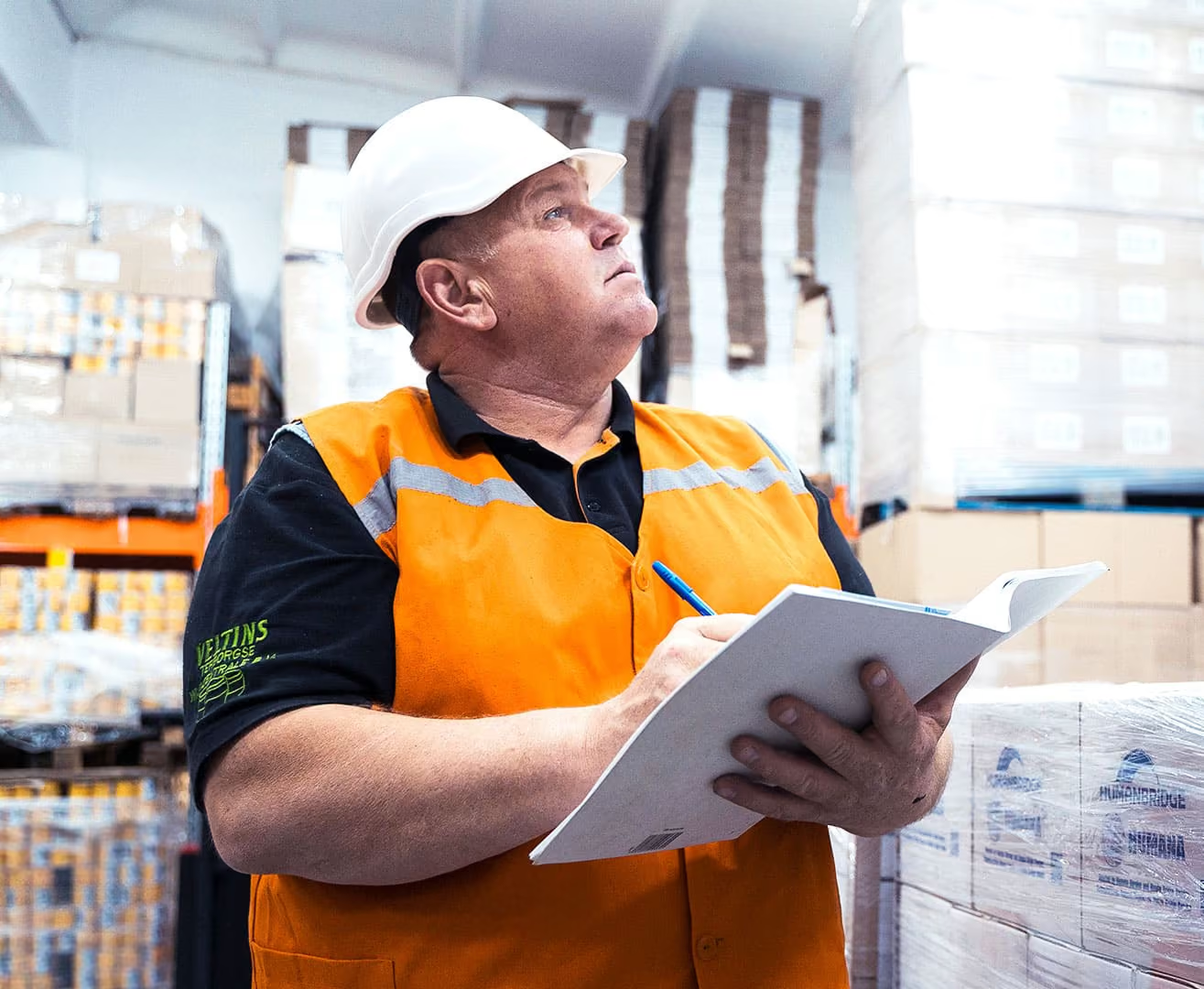
Documented and transparent
Every consignment is recorded, and each program closes with a report