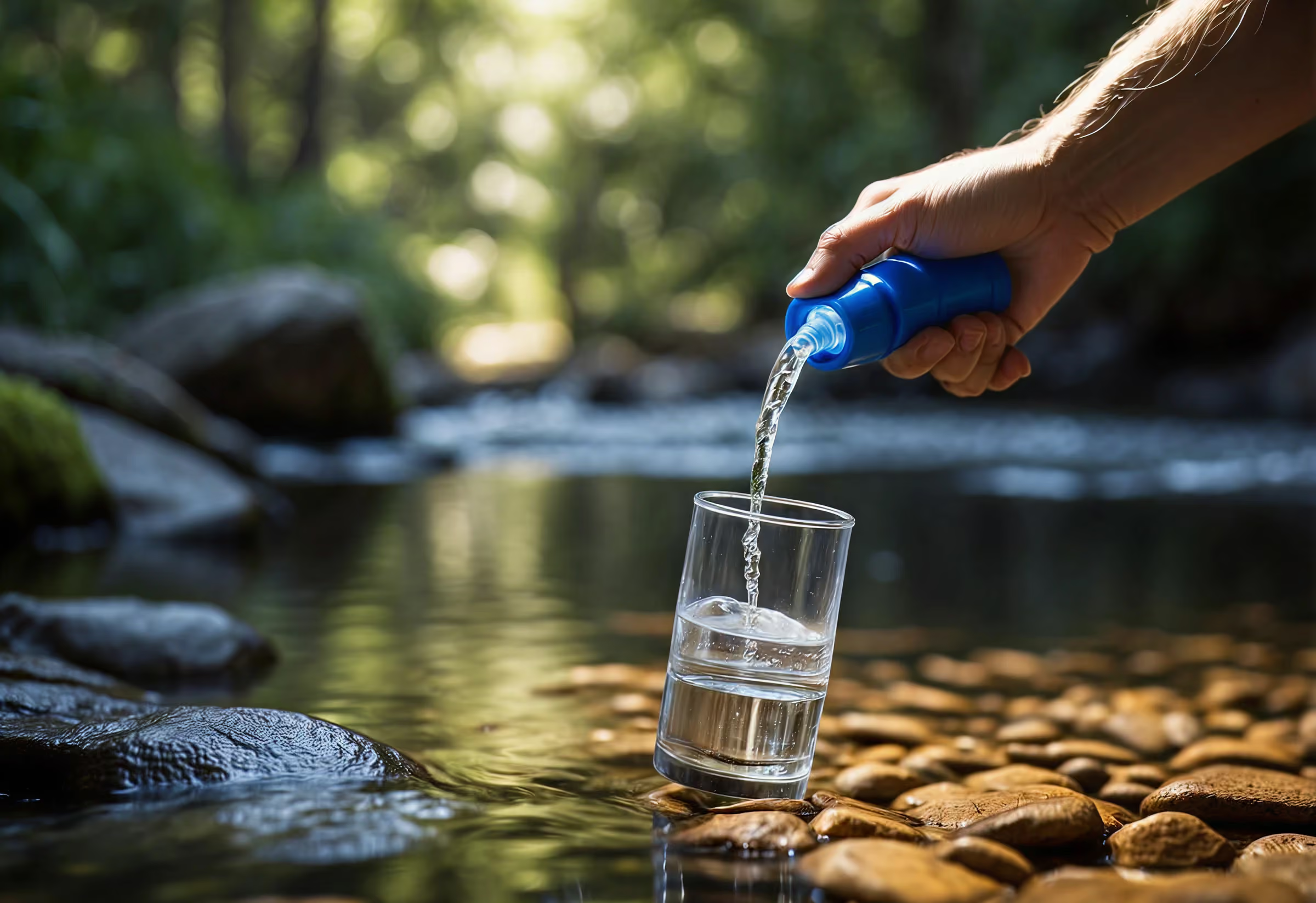
Clean water, produced where the food is delivered
A program that feeds a community has to keep it hydrated too – so water travels the same route as the kit, and is made safe on the ground.
About this direction
A food parcel keeps a family fed, but a household without clean water is still in danger. In the hardest-to-reach areas the consortium serves, safe drinking water is as scarce as the food itself – and the two problems arrive together. Water is the direction that closes that gap on the same route as every kit.
How clean water is made on the ground
Rather than ship bottled water across a continent, the model produces safe water where it is consumed:
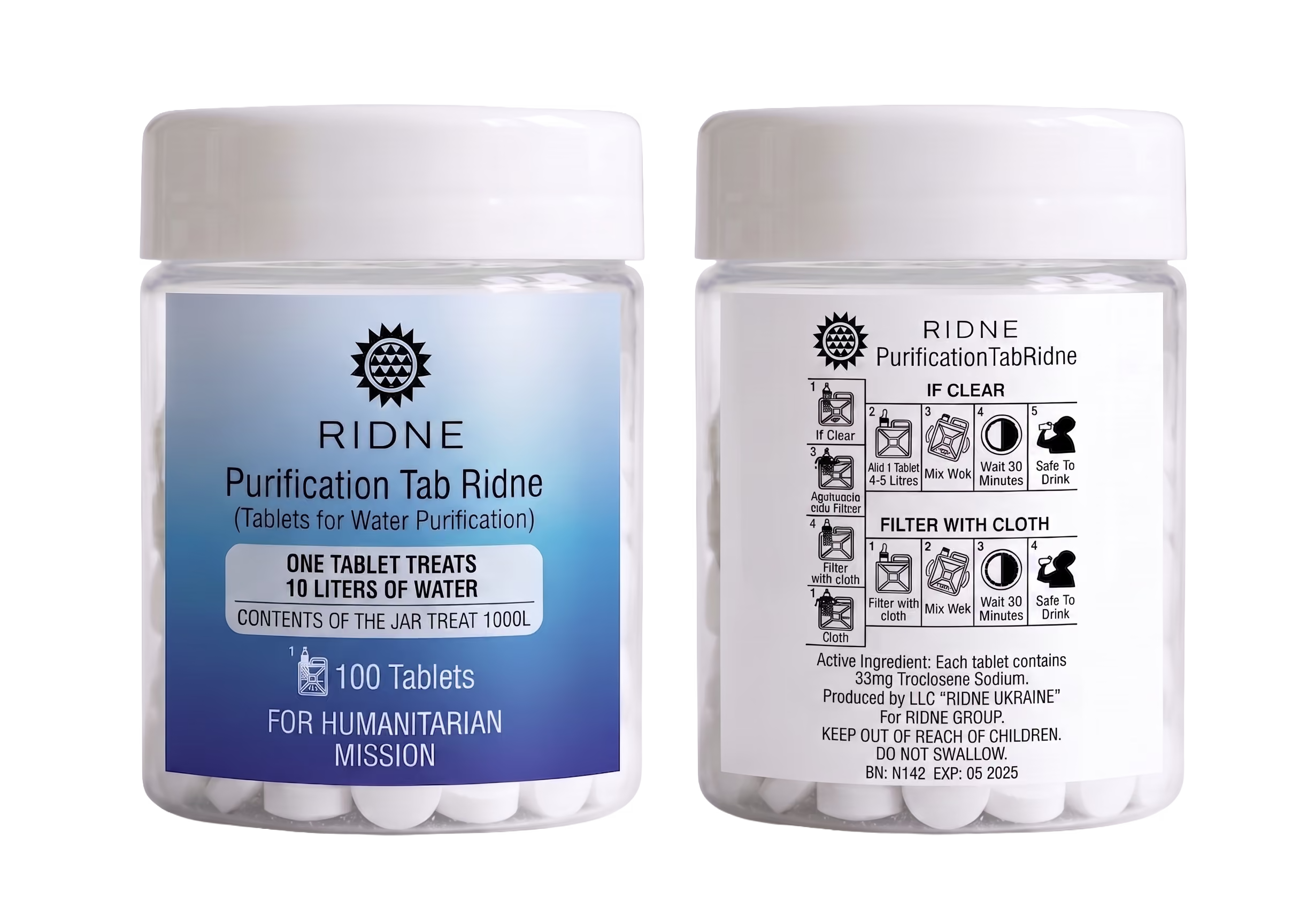
- Purification tablets for individual households, simple enough to use without training.
- Water purification systems for shared points – schools, clinics and distribution sites.
- Local teams who run and maintain the equipment, so supply does not depend on an outside crew.
Producing water at the point of need keeps it cheap, fast and resilient – the same logic that runs the food chain, applied to the most basic resource of all.
Aid that arrives with the means to keep producing clean water, not just a pallet of bottles that runs out.
From emergency supply to lasting access
The first job is the emergency: water that is safe to drink today. The longer aim is durable, locally-run provision that outlasts the next delivery, sitting alongside food as part of one complete response.
Clean water and food on the same route – because a community needs both to recover.
Every line has a delivery behind it – here is where the food actually landed
One approach to safe water, set up for the place it serves – household tablets, shared systems, or full on-site supply, wherever a program reaches.
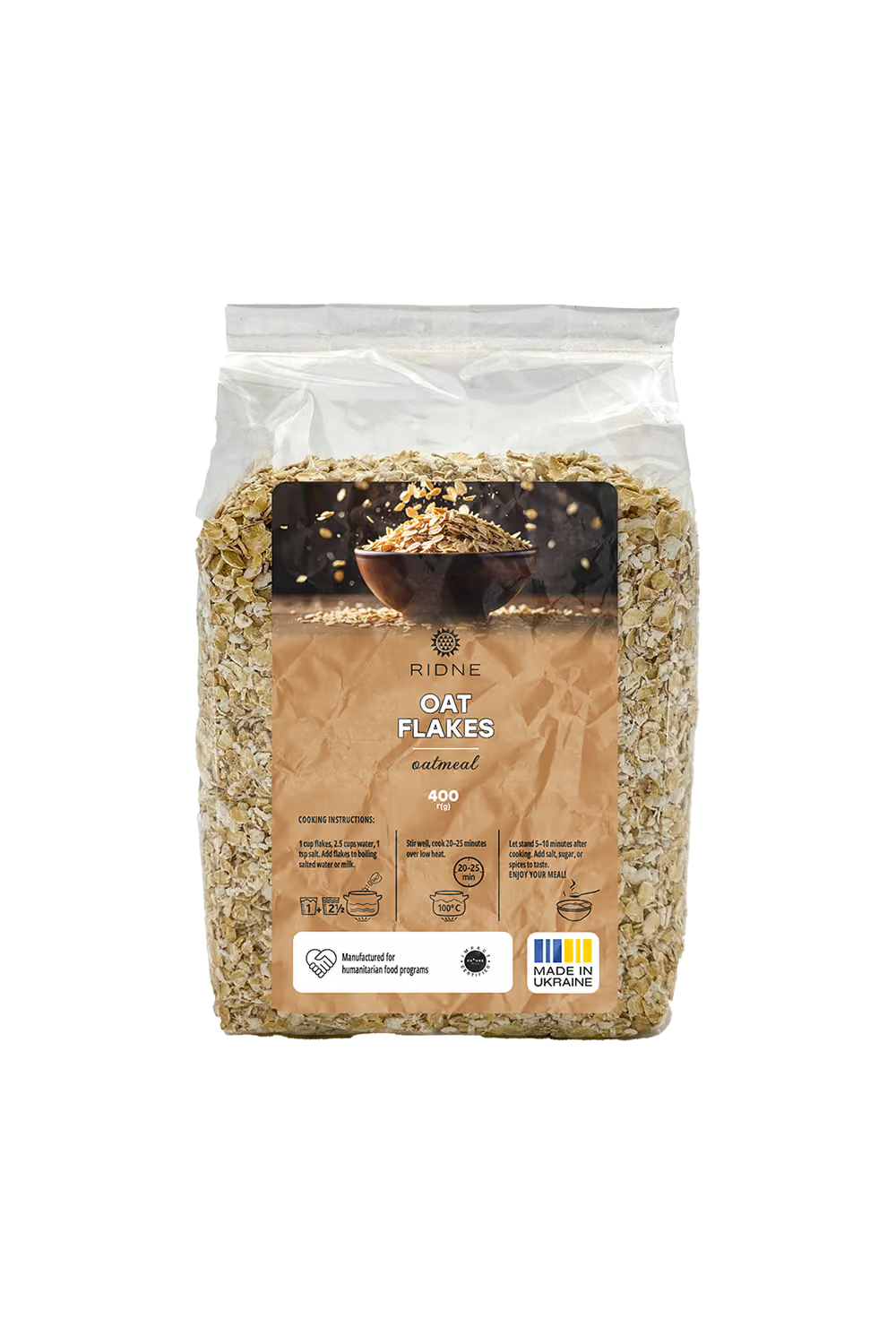
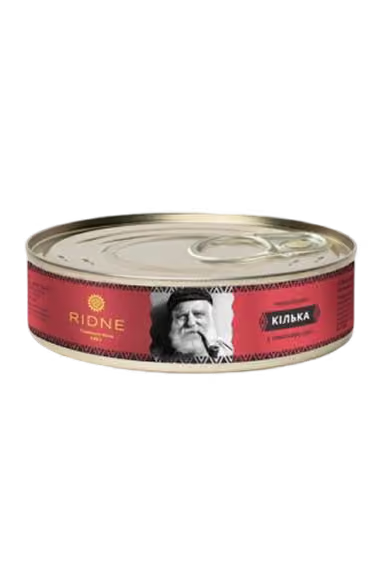
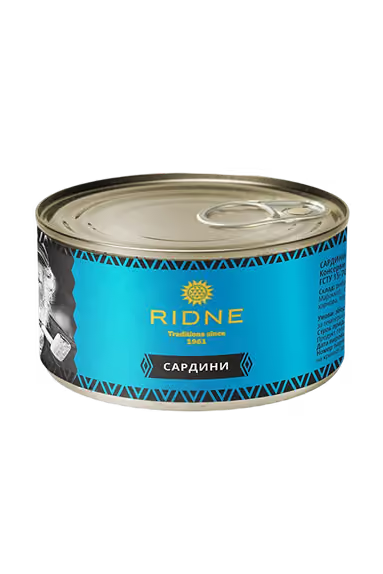
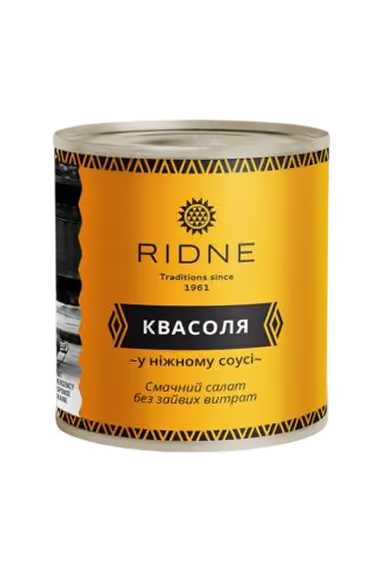
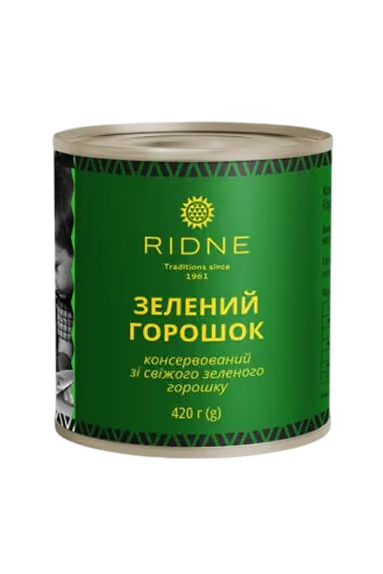
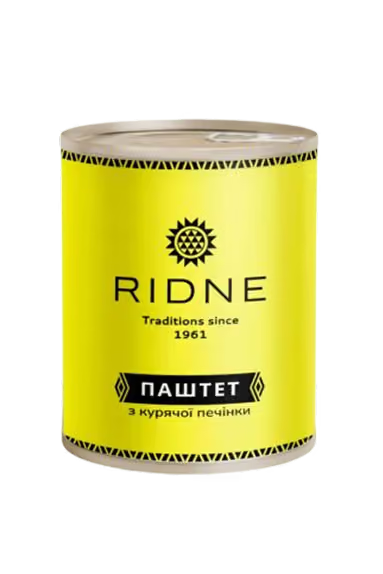
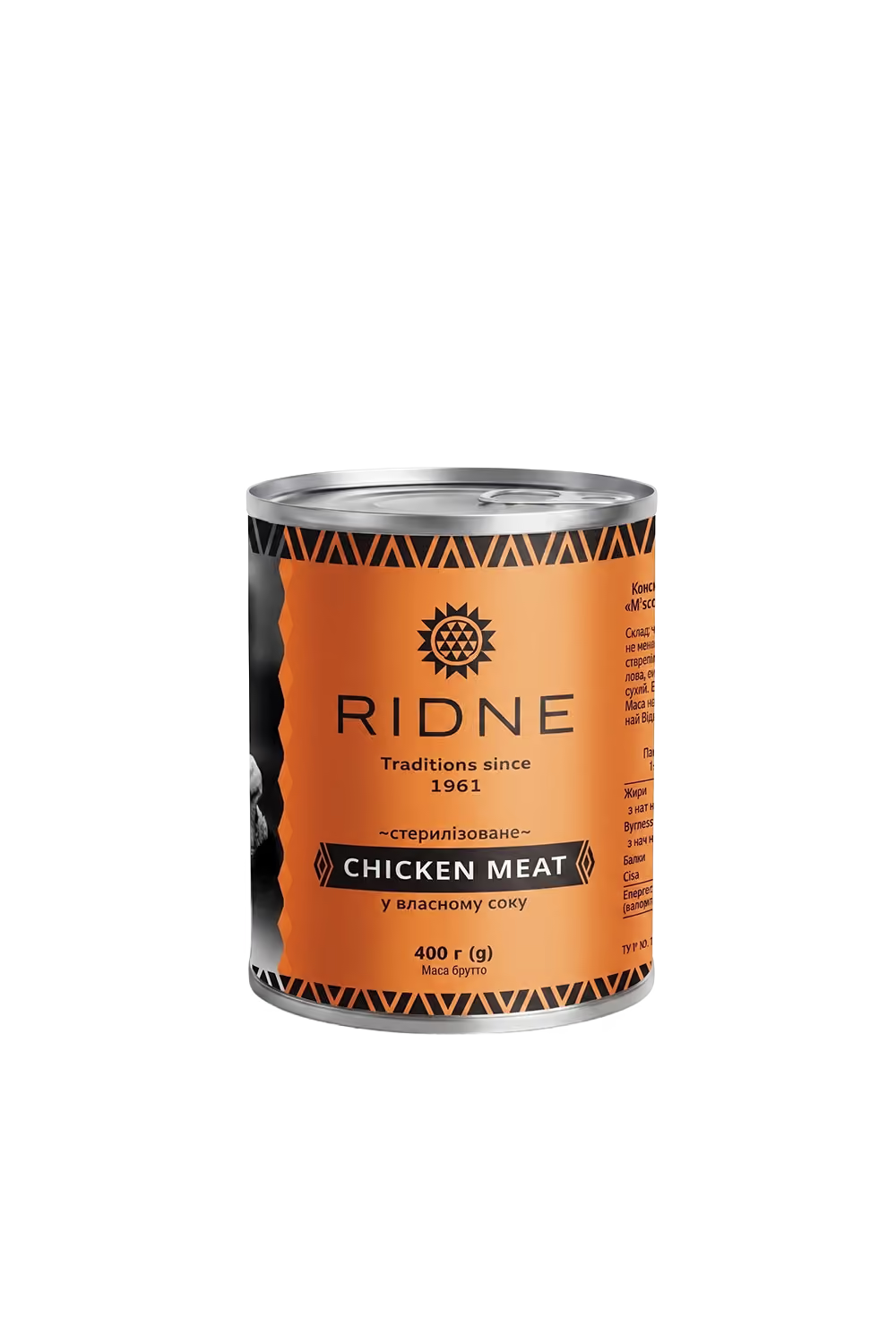
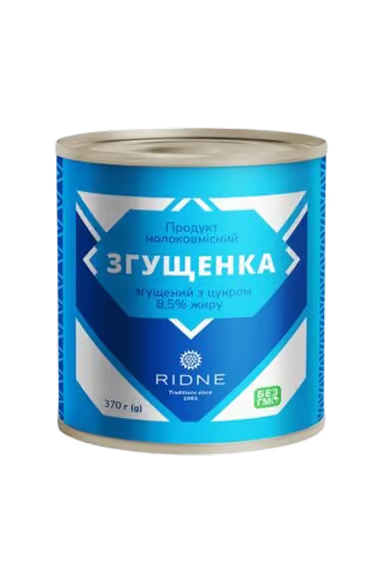
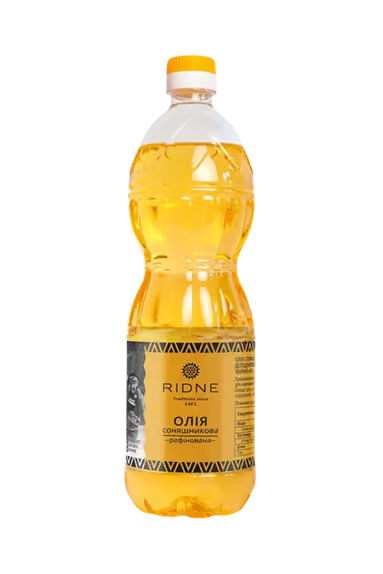
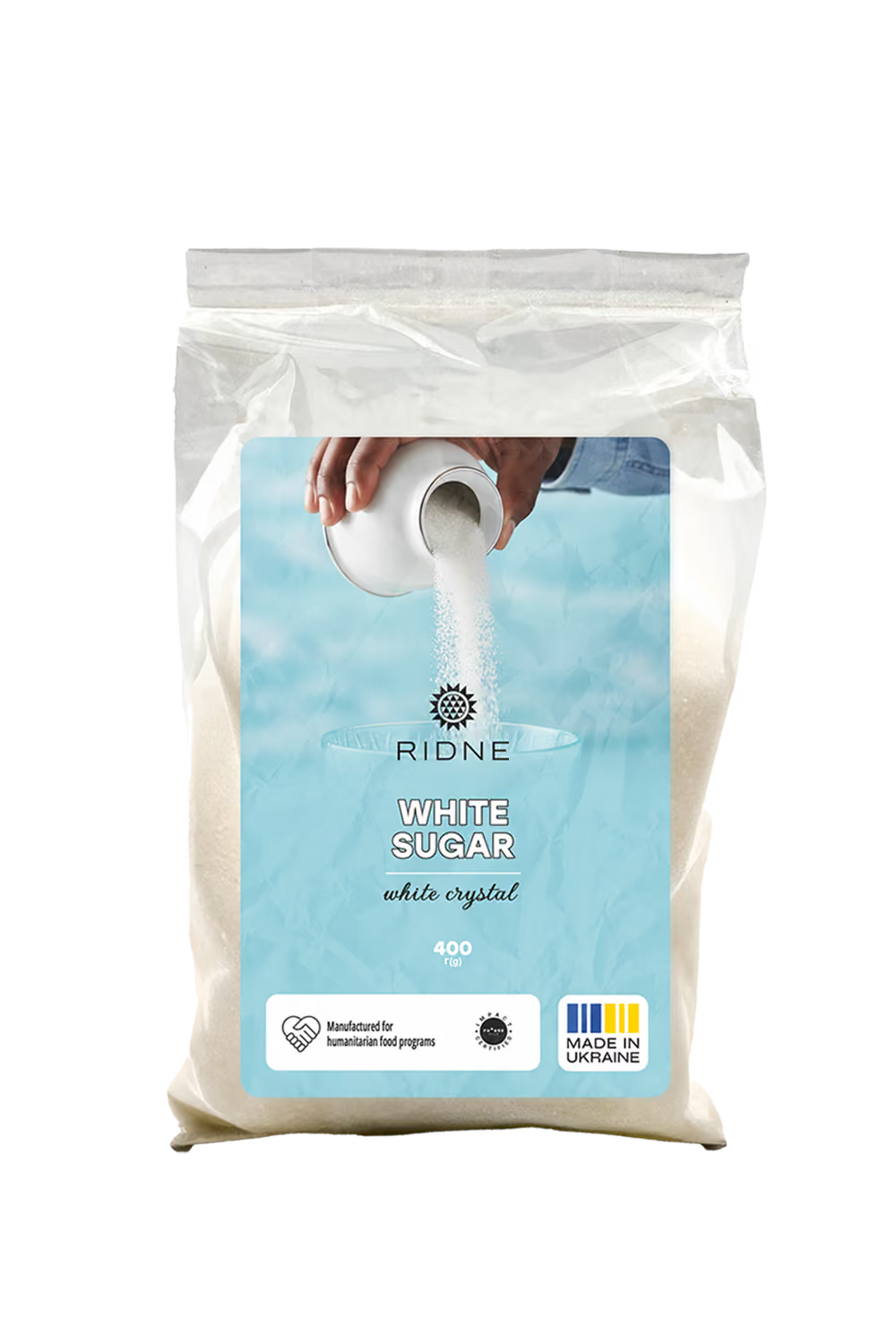
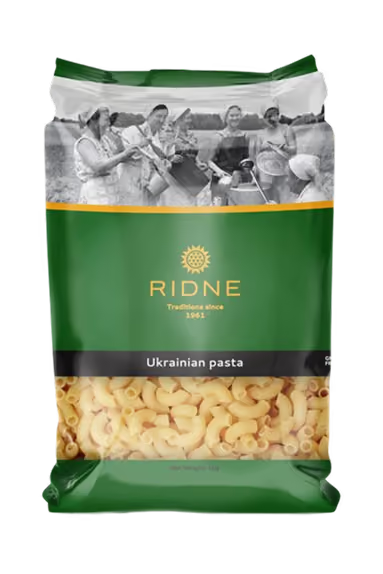
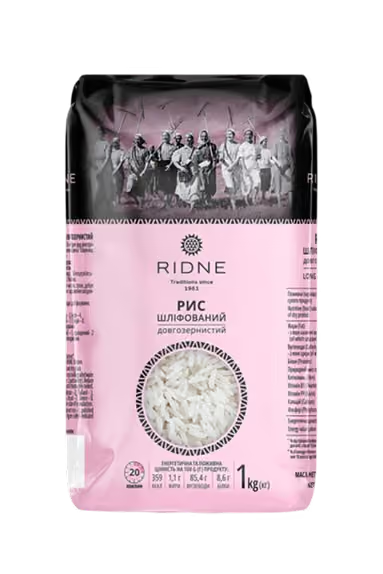
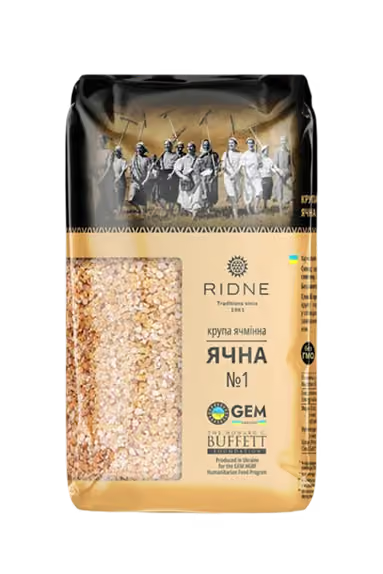
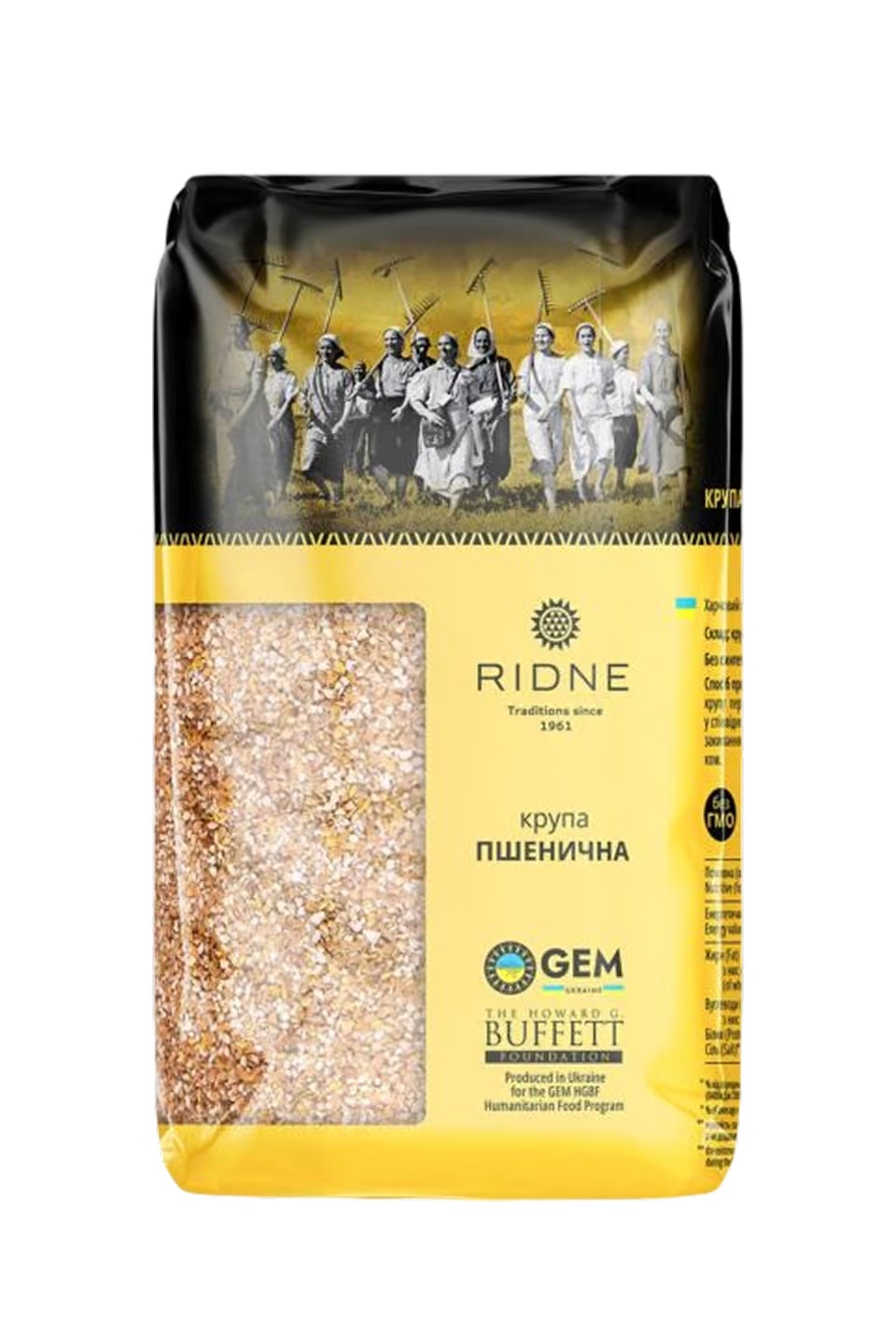
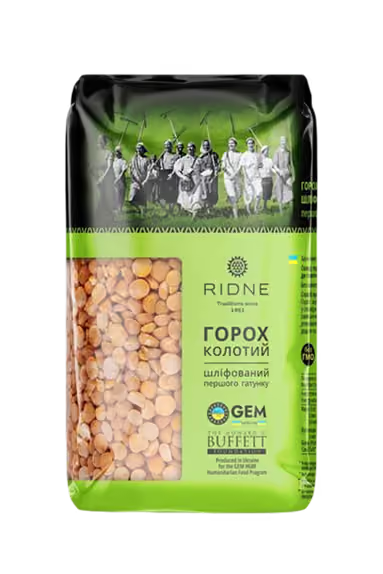
Behind every line sits one catalogue – the staples that fill a full humanitarian kit


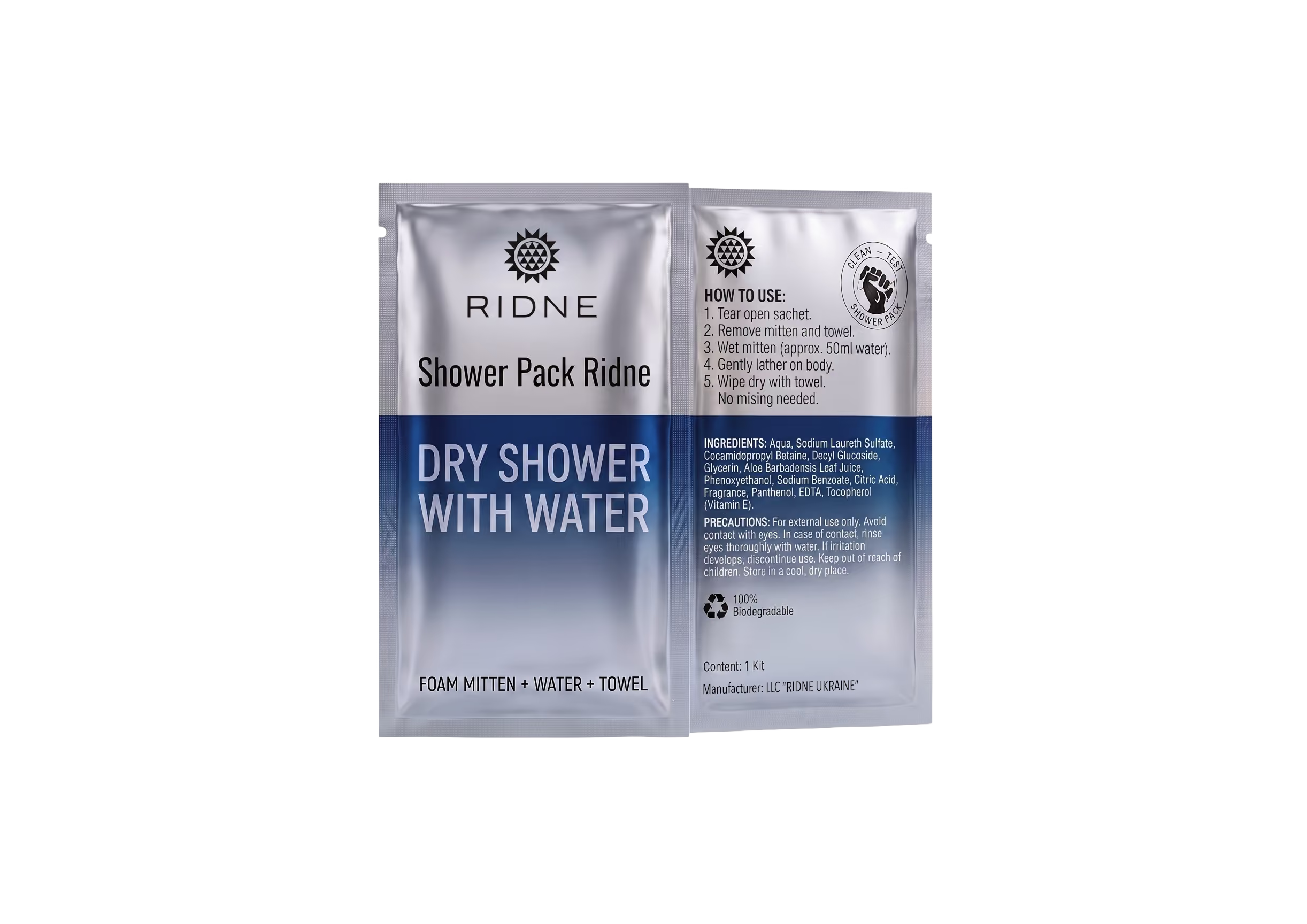
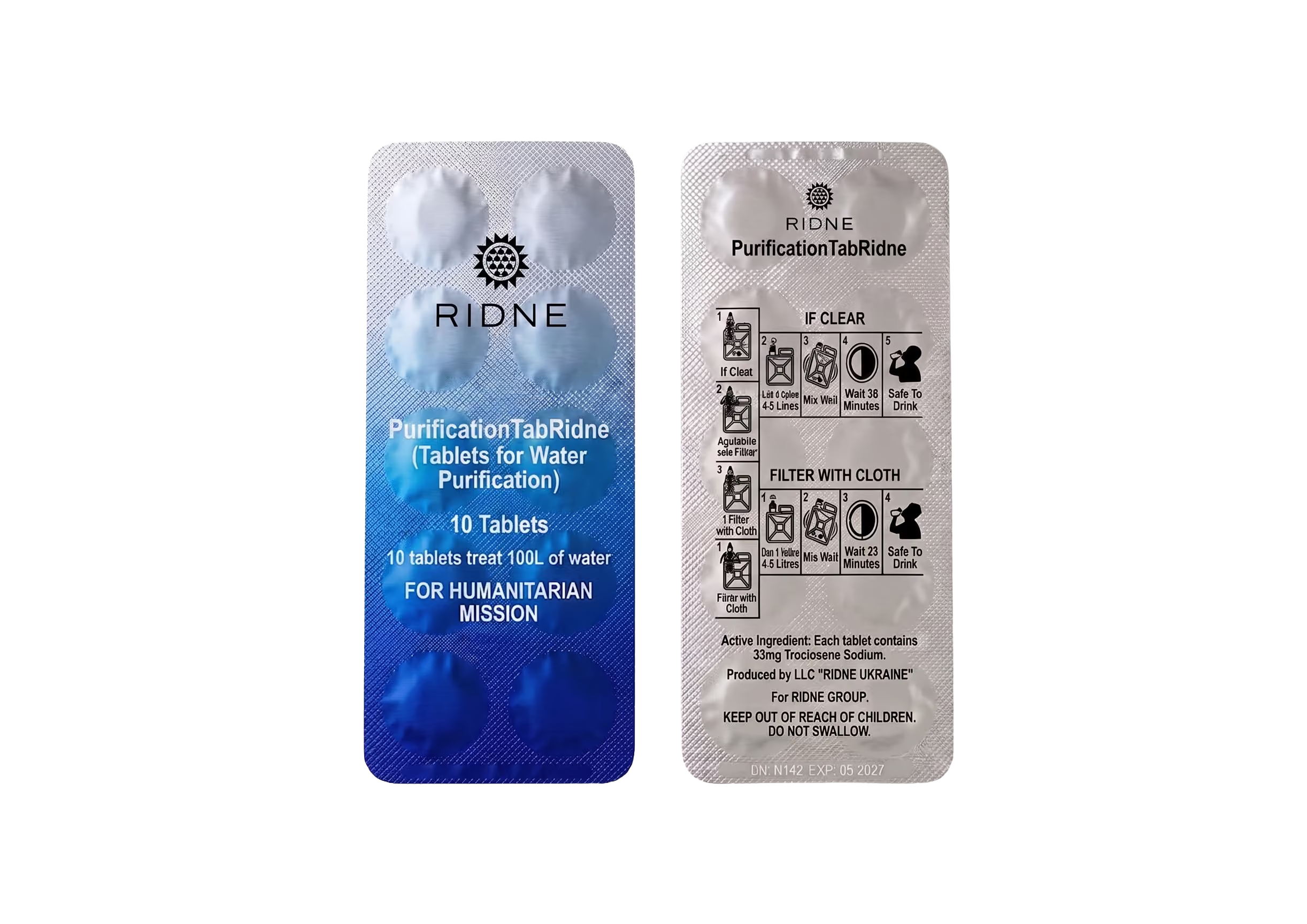


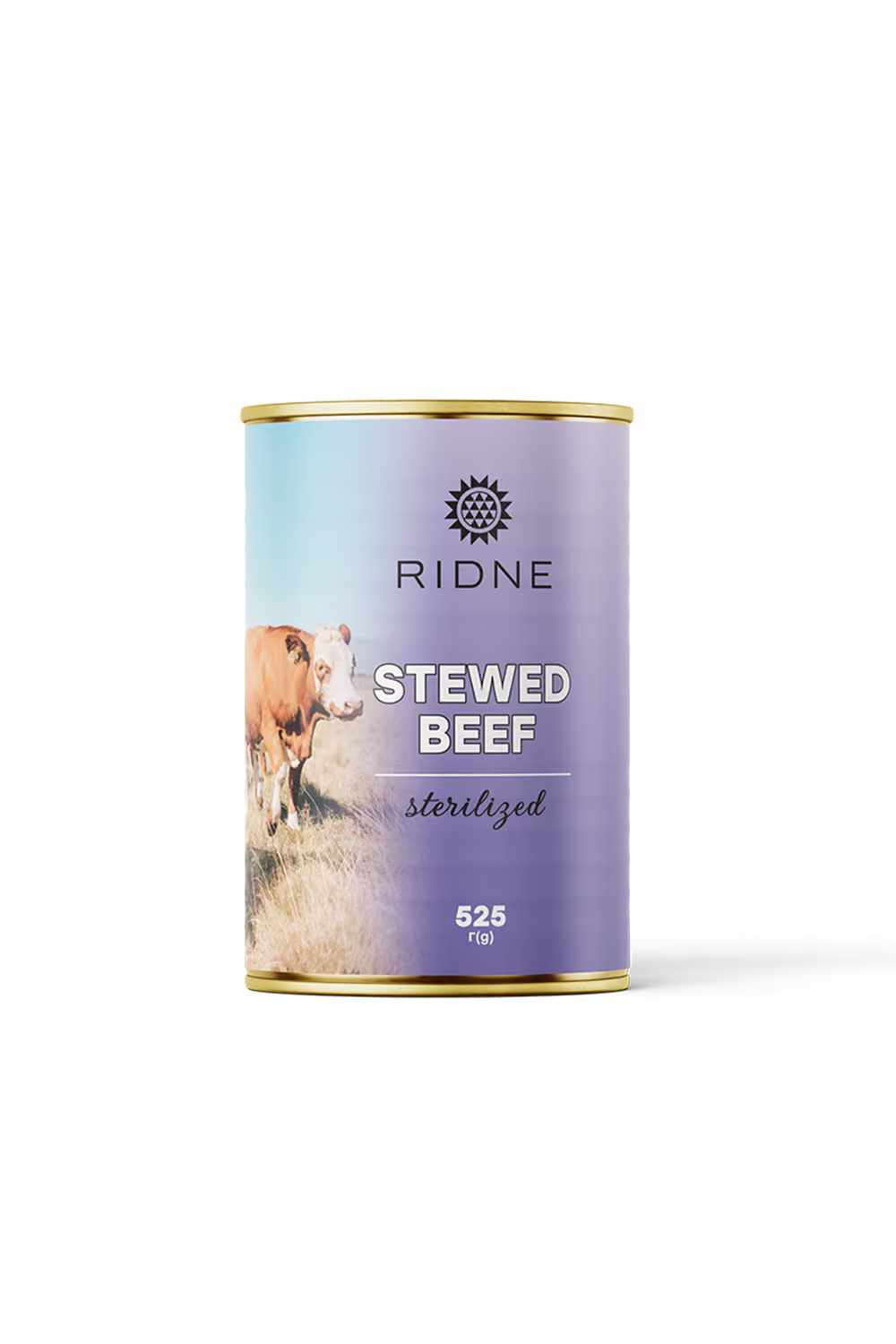


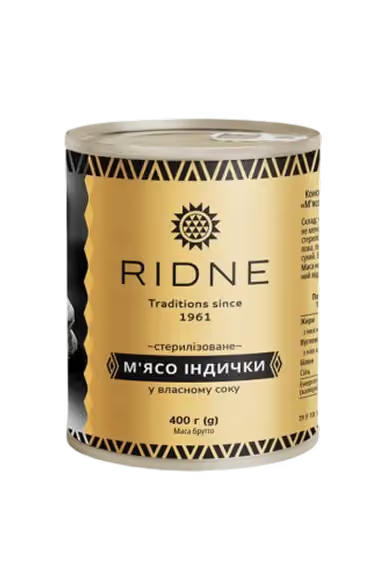
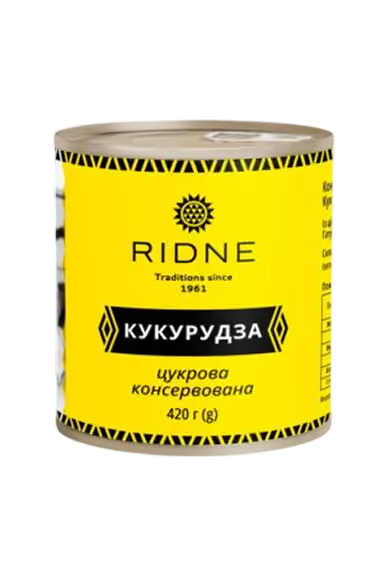
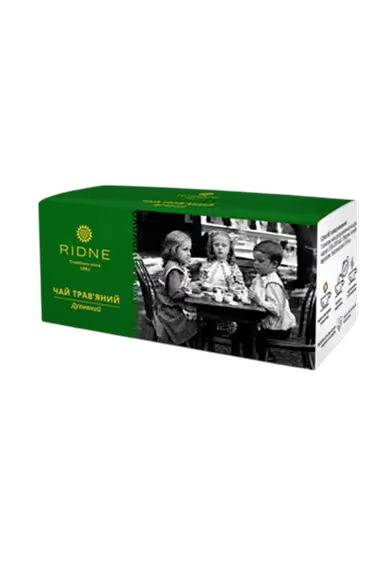
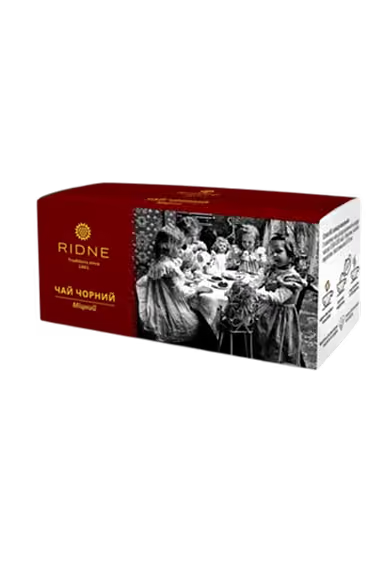

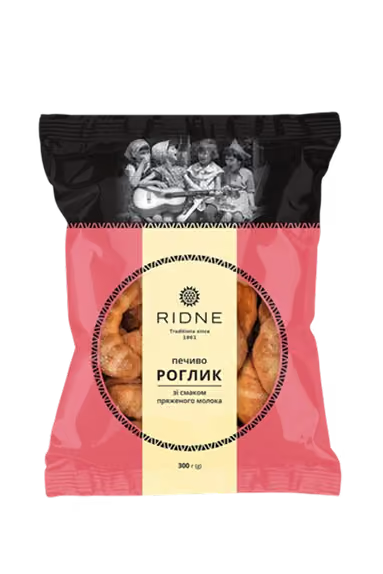
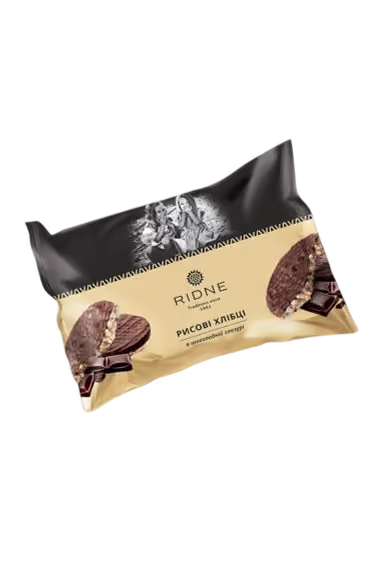
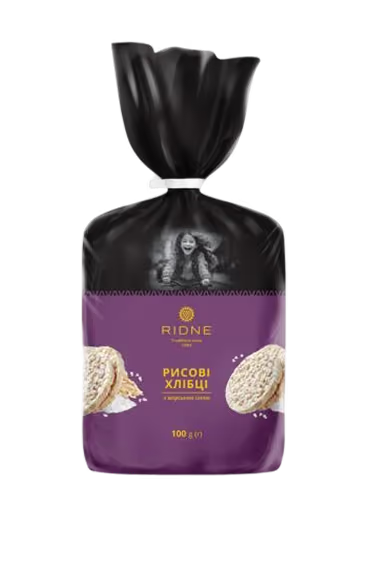
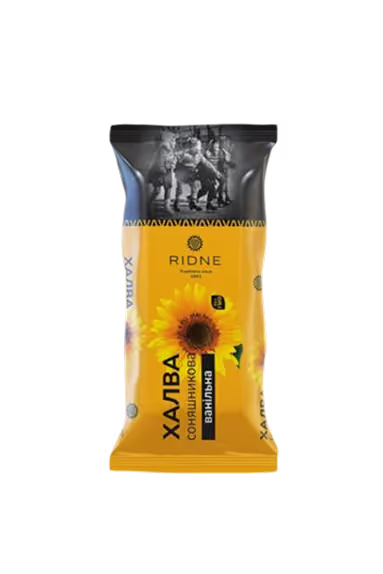


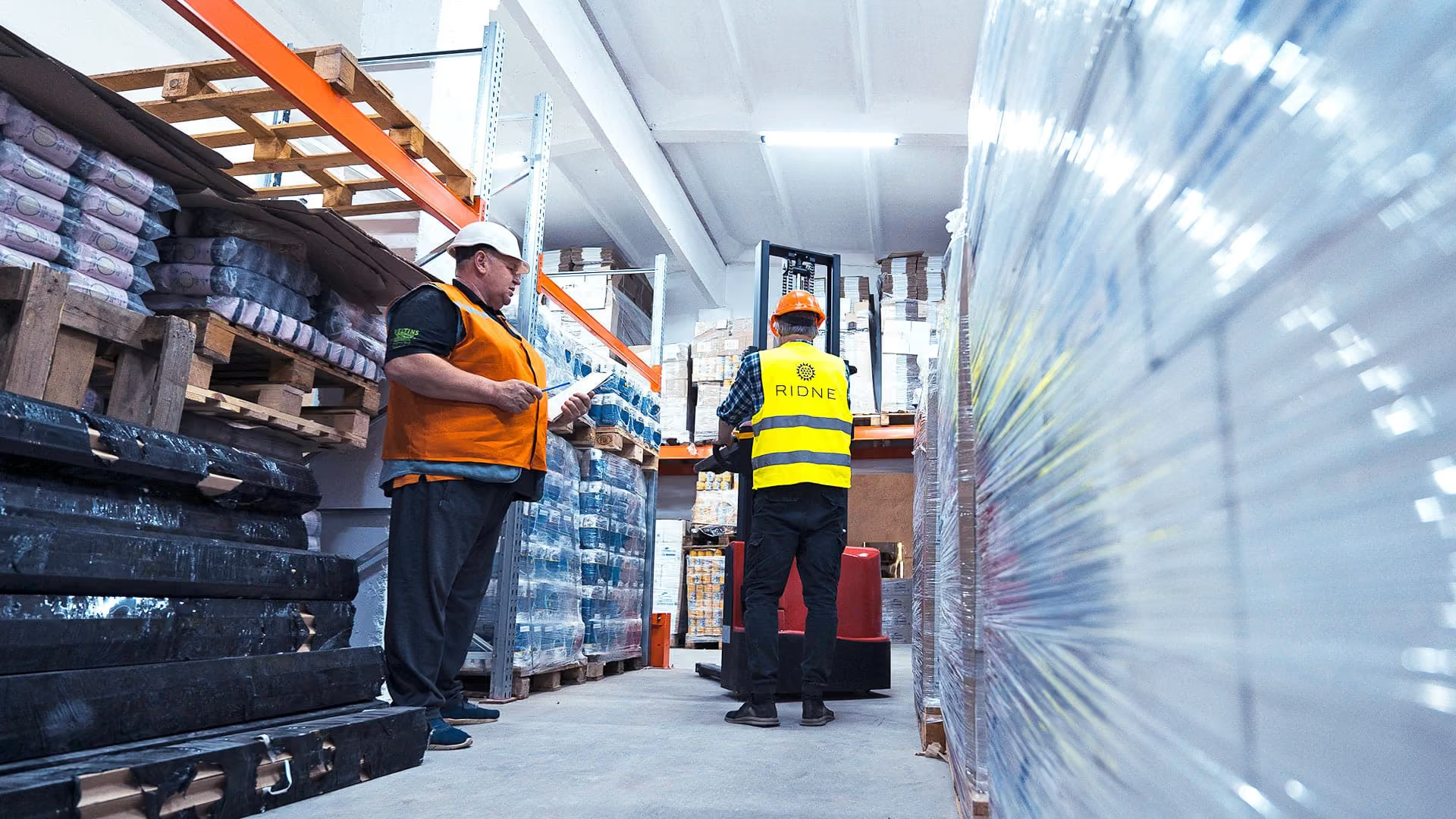
We make and check it ourselves
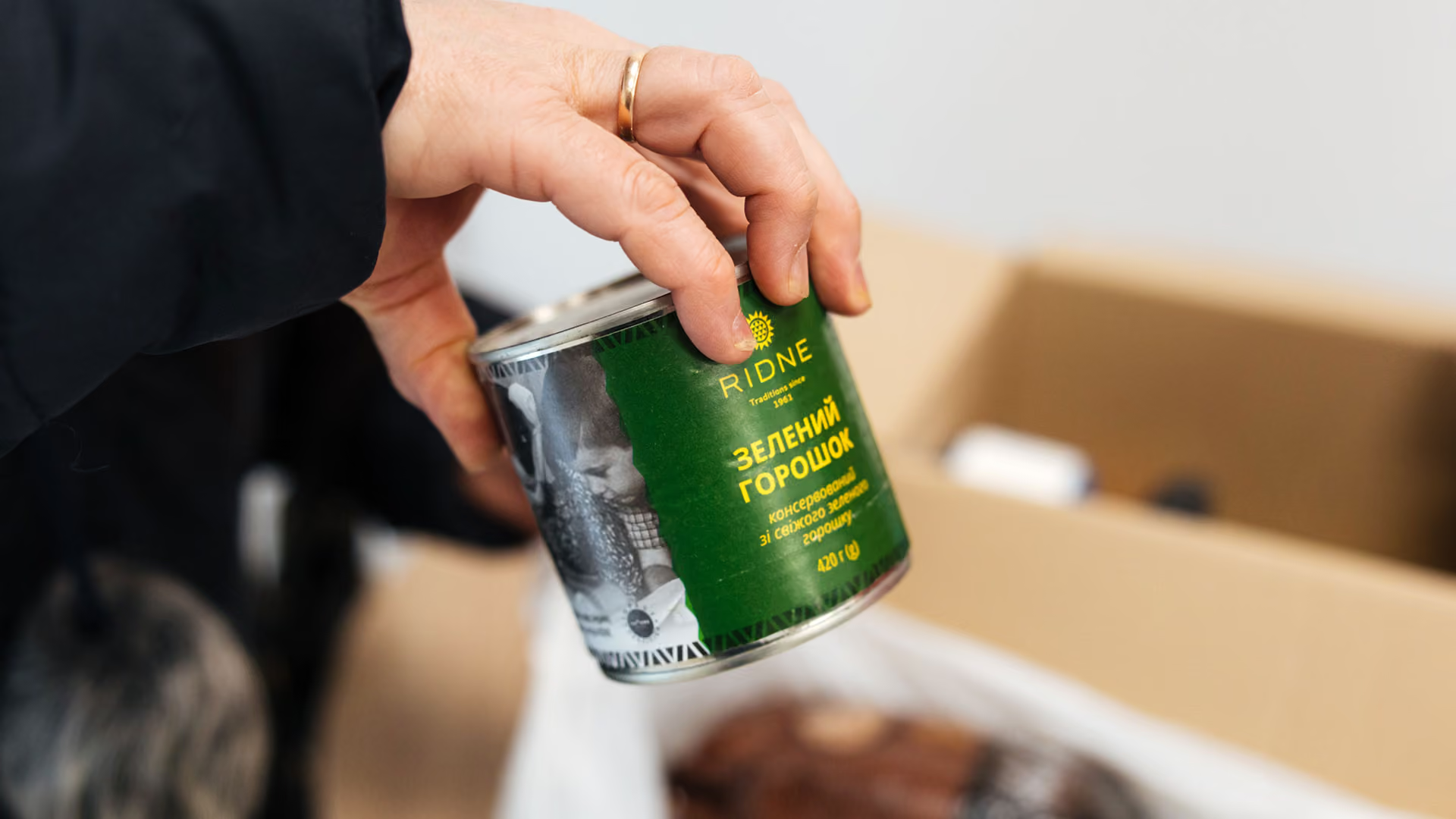
Everything is grown, made and checked in-house – one standard, any order size.


Standards your auditors can verify
Our plants meet recognised food-safety standards your own auditors can verify.
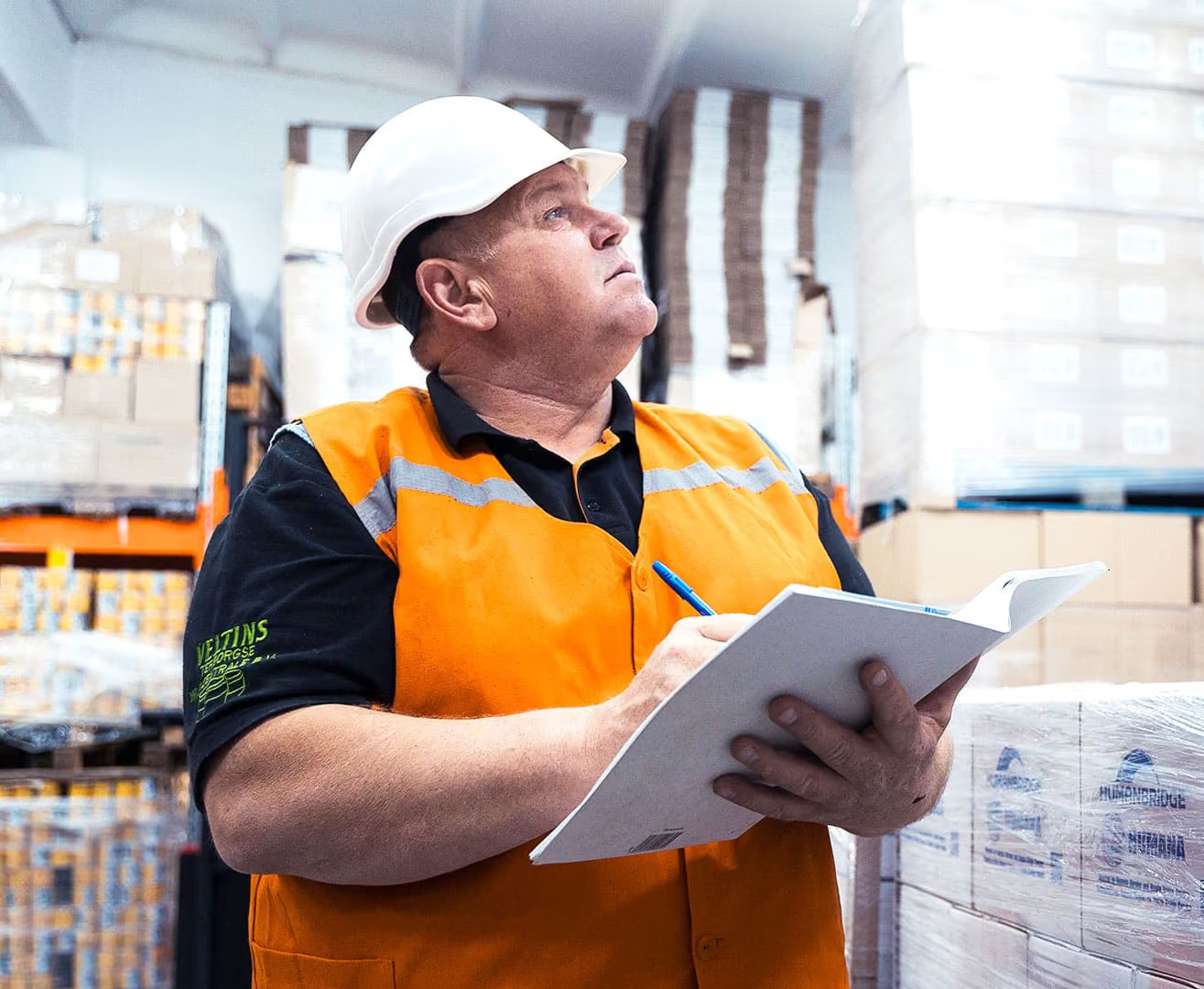
Documented and transparent
Every consignment is recorded, and each program closes with a report